
The best
address in town
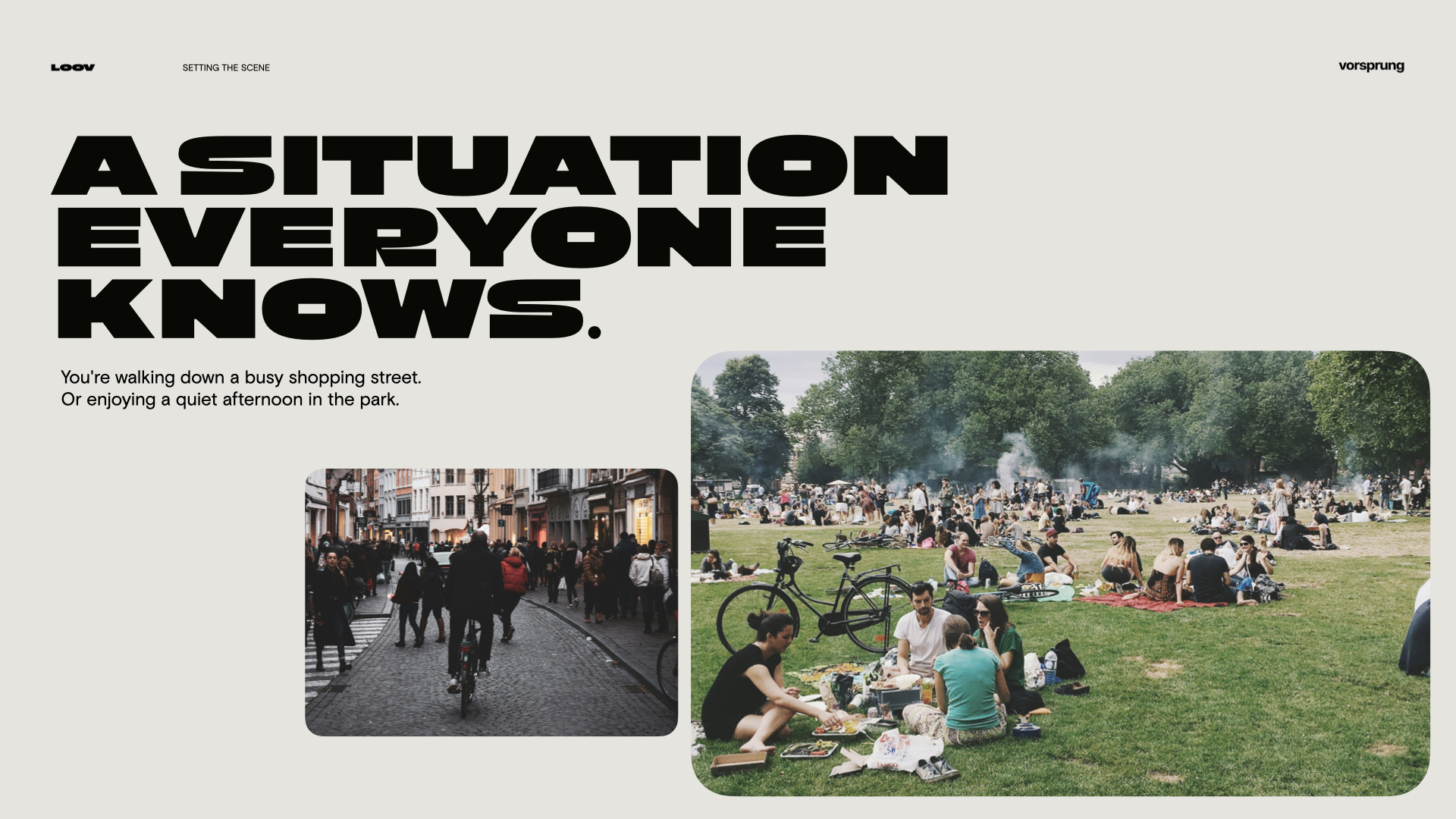
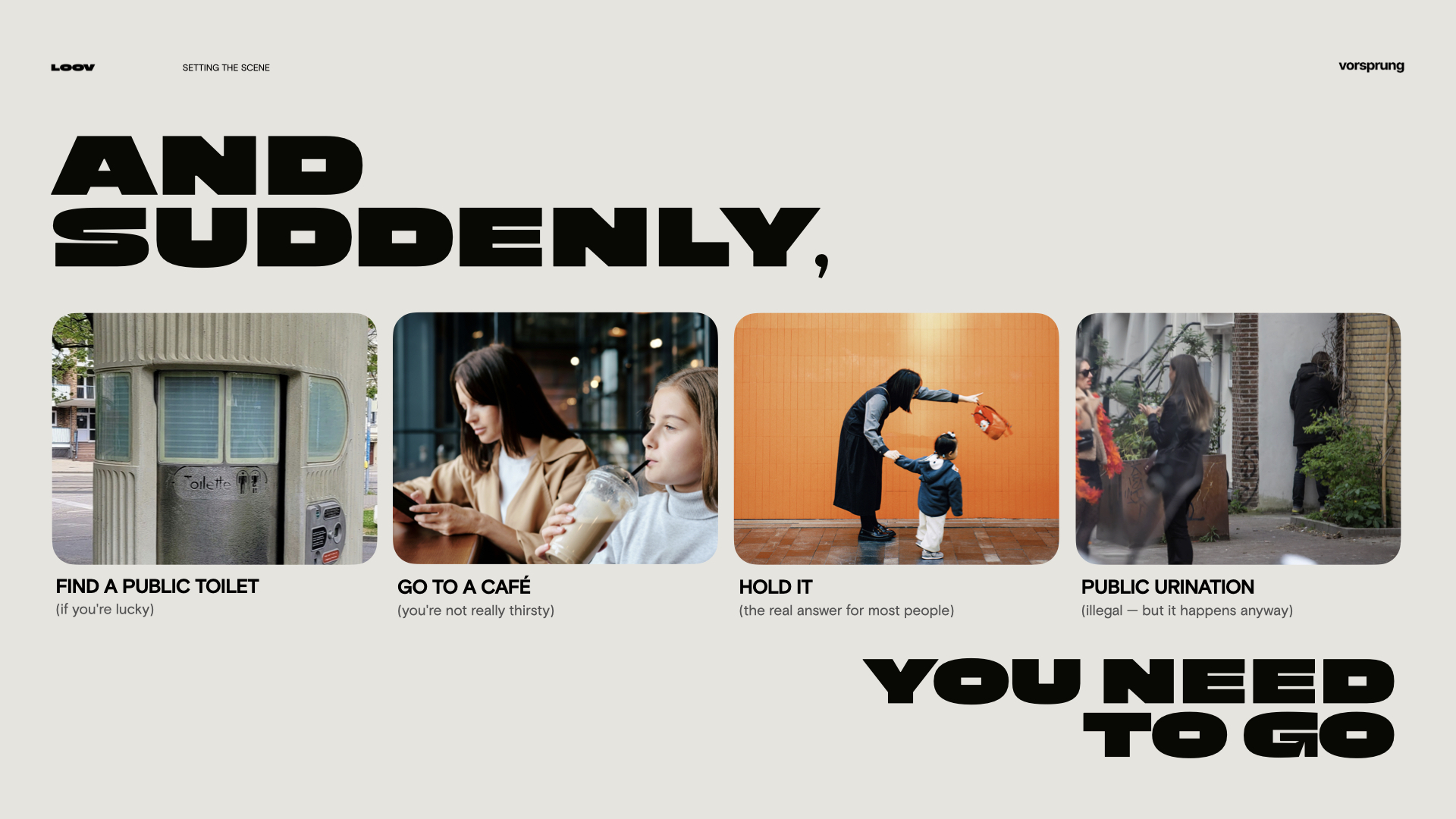
Some problems are so obvious that the only real question is why nobody solved them. LOOV started with one of those. Imagine: you're on a shopping street, in a park, two hours into a drive. And suddenly you need to go. It happens to everyone, every day, everywhere. Your options are a café you don't want a coffee from, a long walk, or holding it.

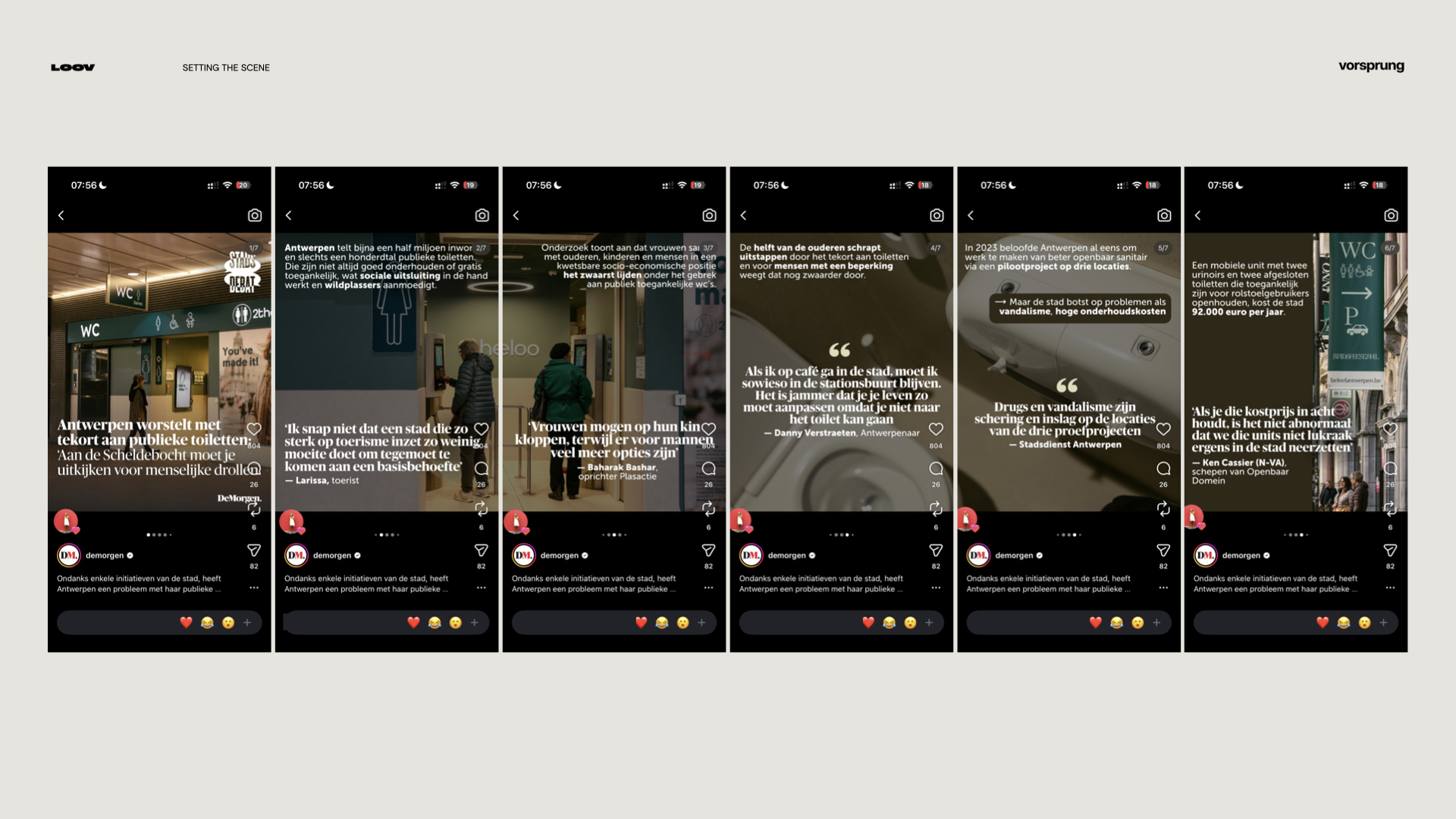
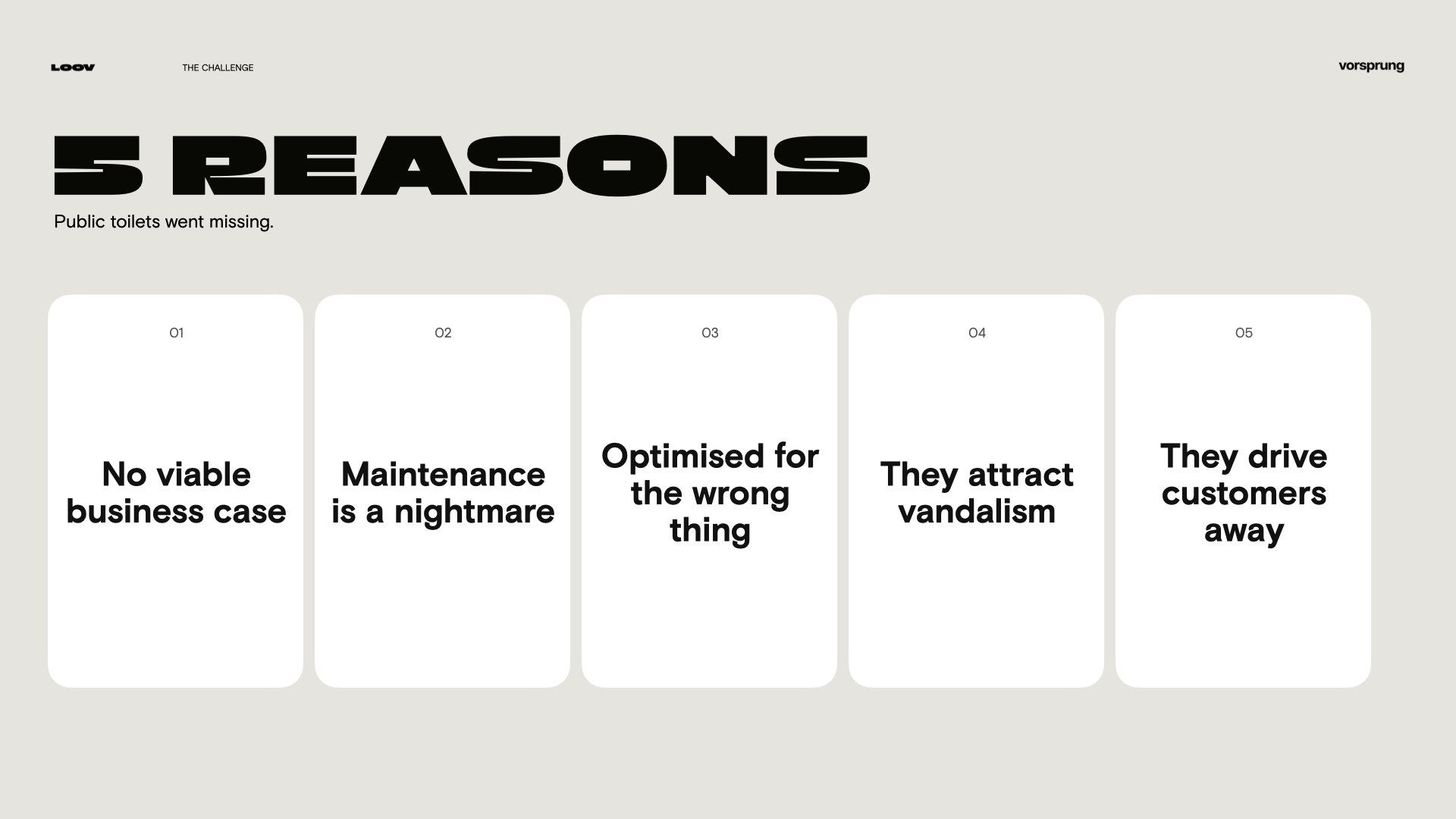
Cities carried that cost until they couldn't, and one by one the doors closed.Public toilets have quietly vanished from our cities, and not because we stopped needing them. They disappeared because nobody could turn them into a business. A toilet costs money every day and earns almost nothing, so cities carried the cost until they couldn't. The problem was never the building. It was the business. That's where LOOV starts. Not with a better toilet, but with the part that was actually broken.
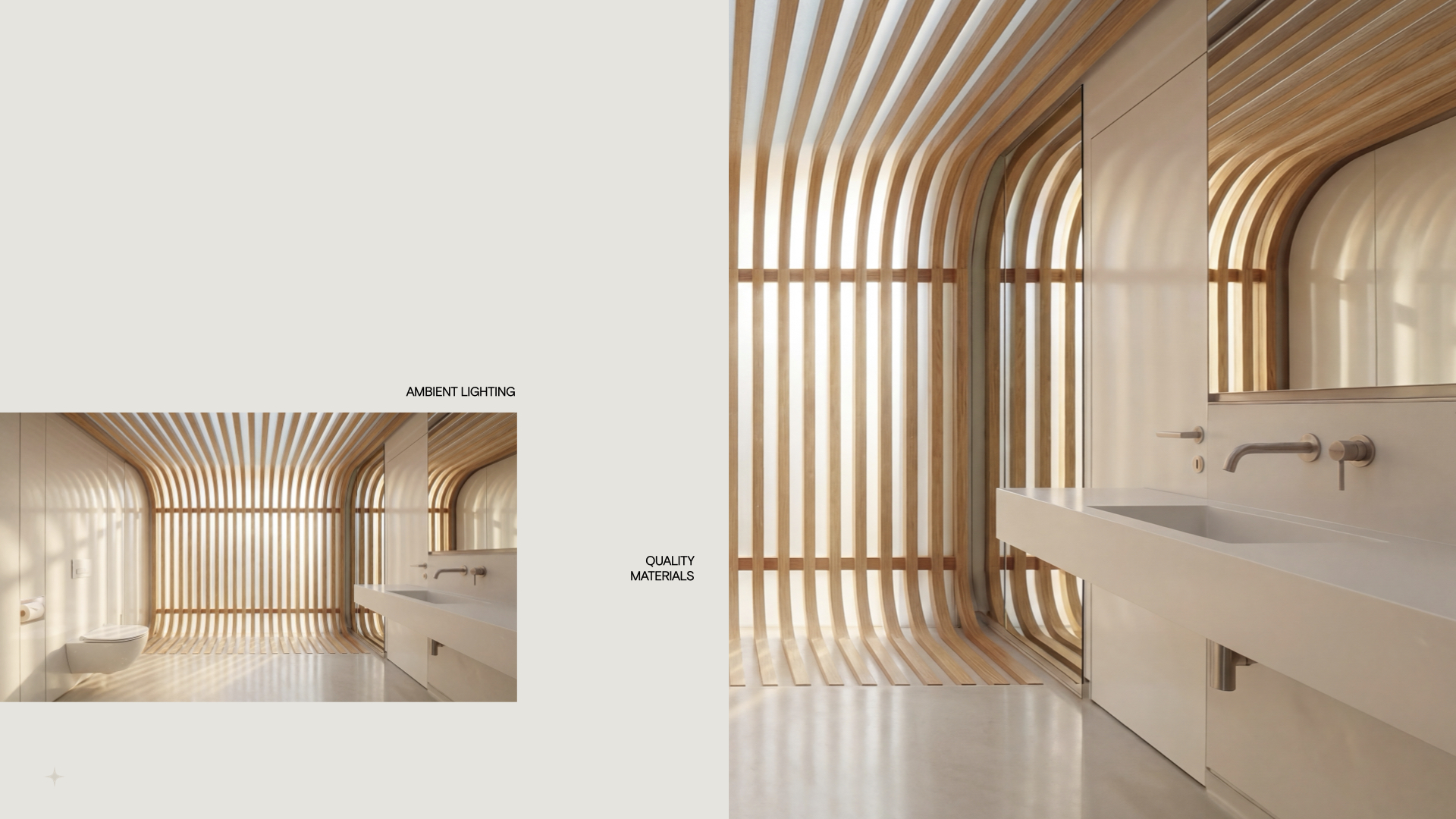
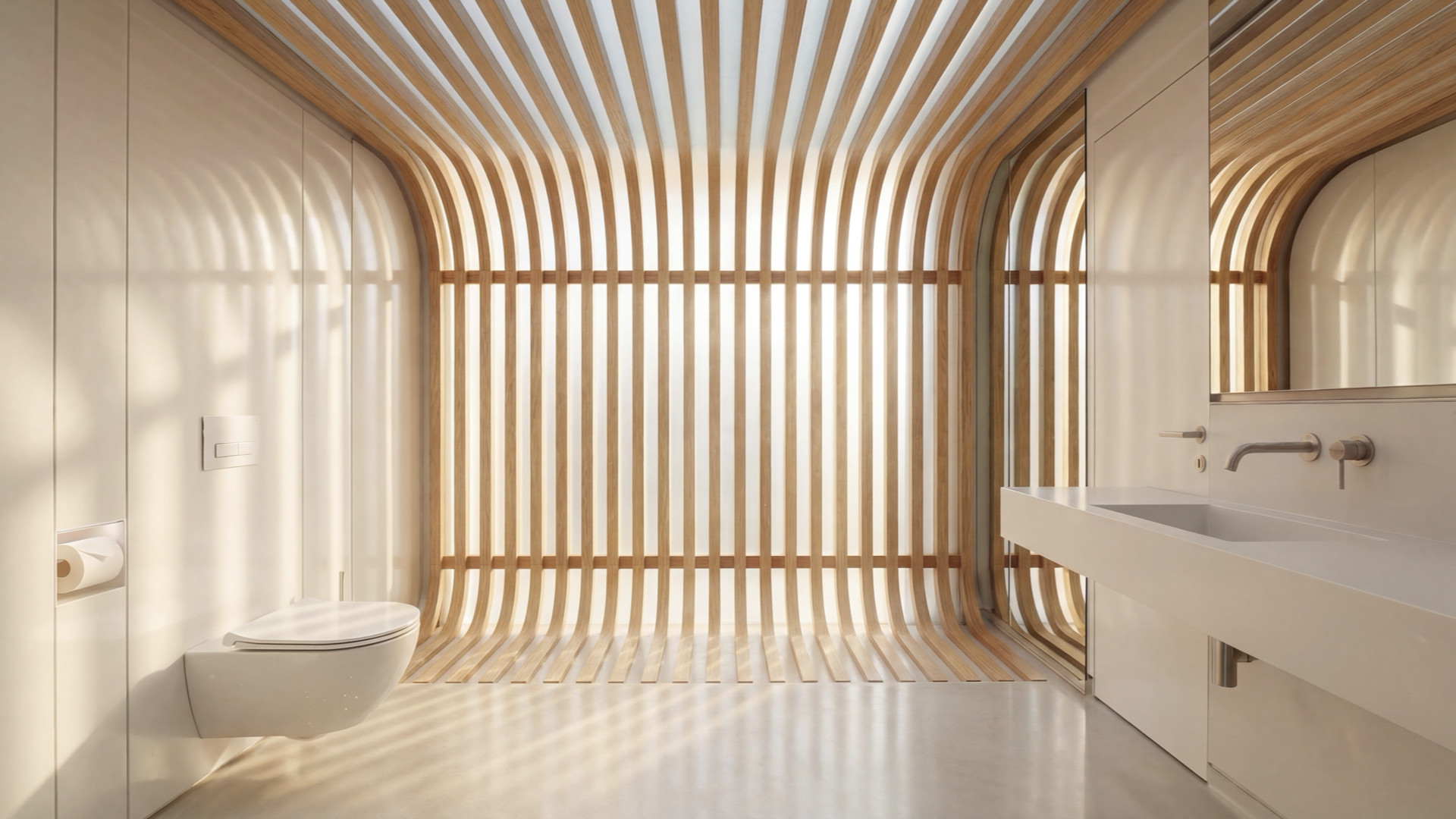
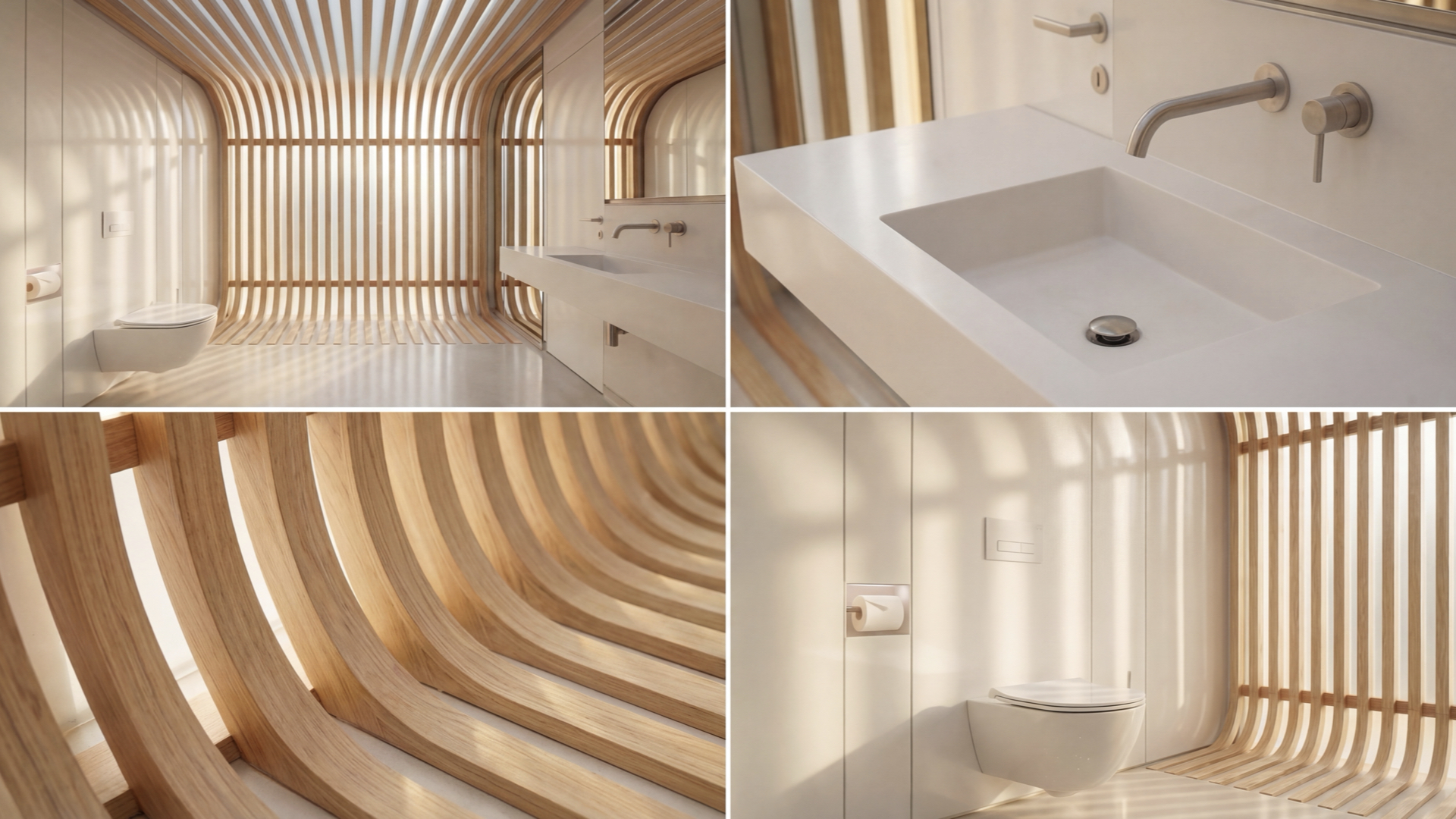
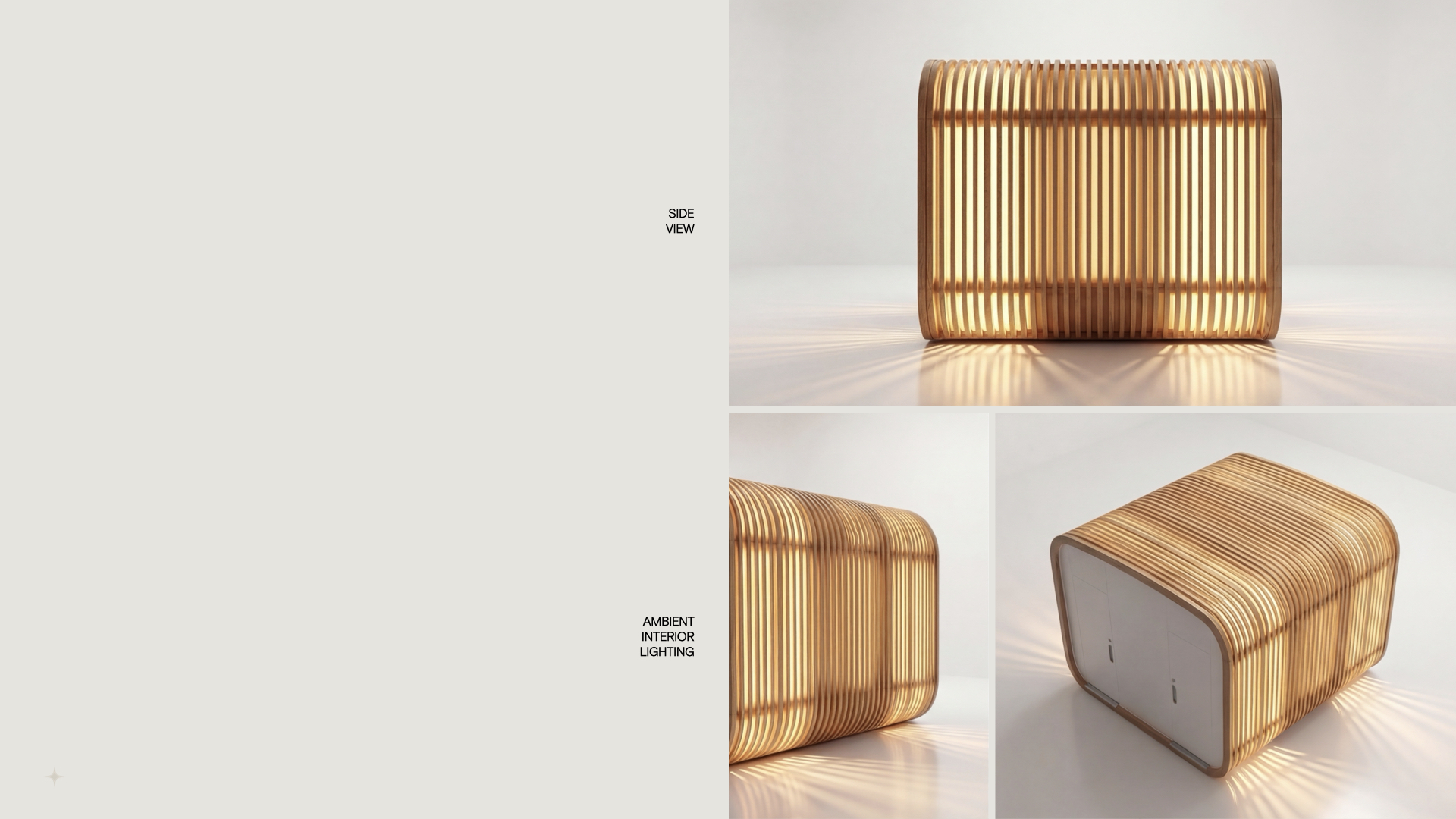
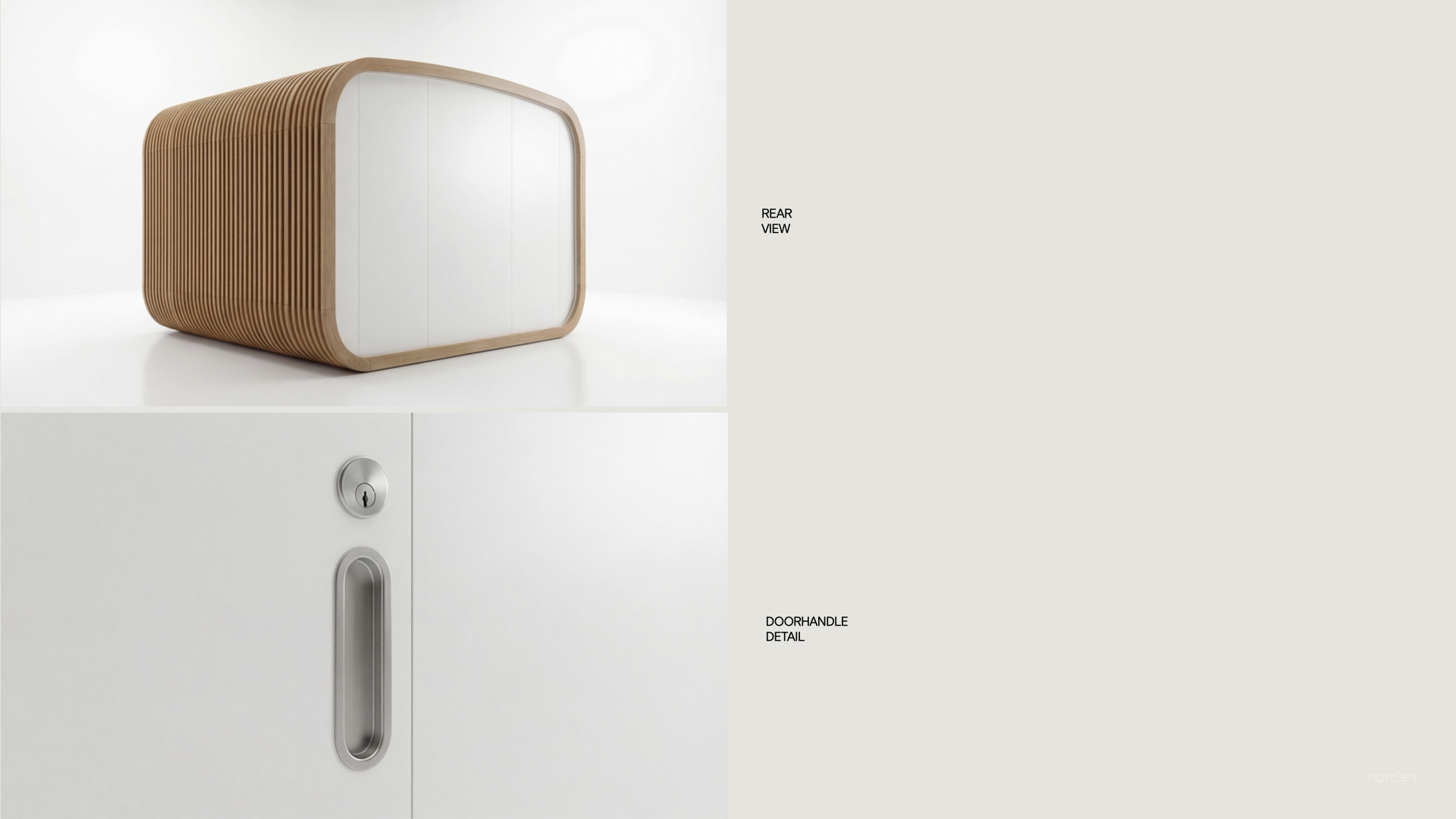
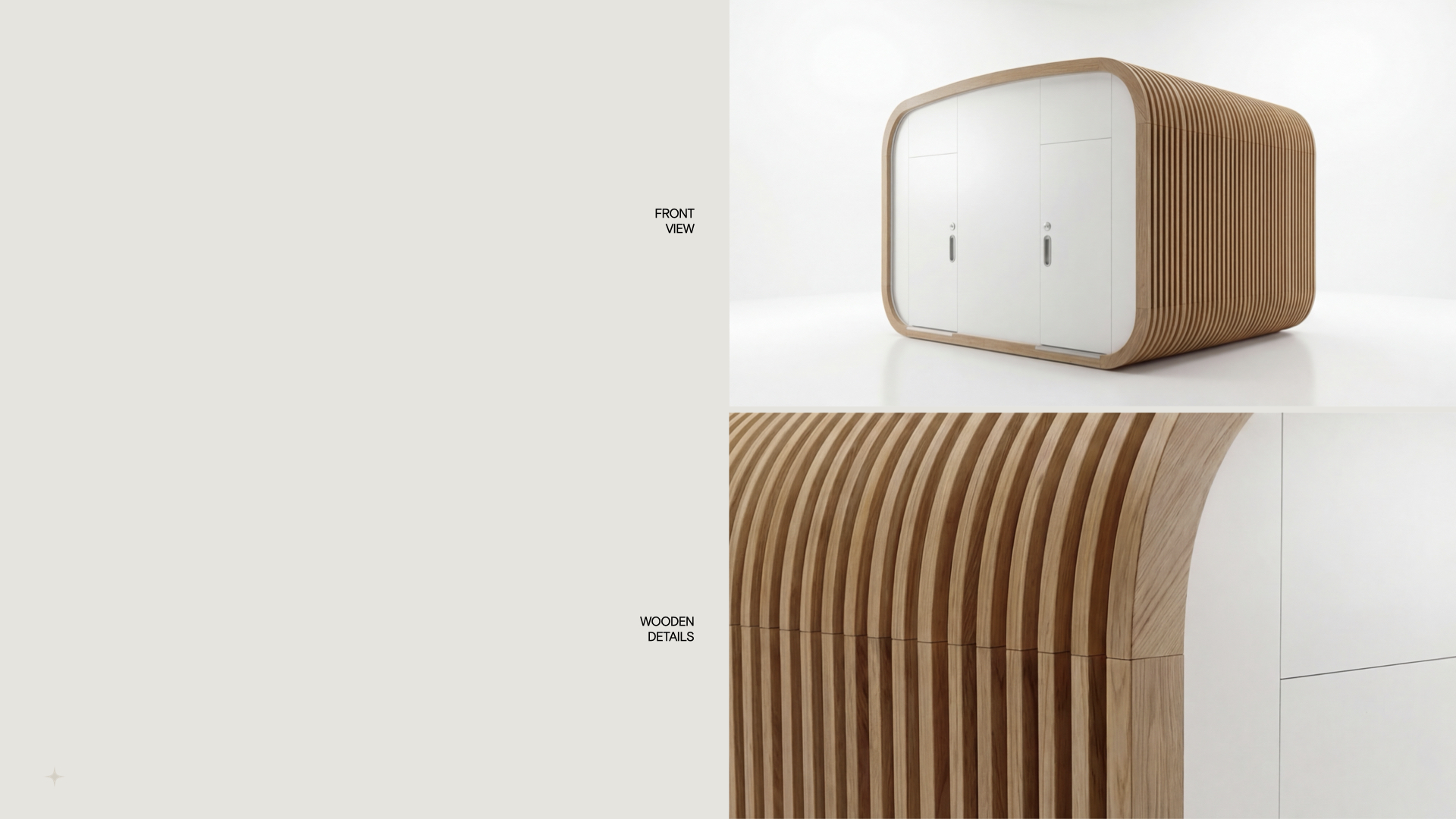
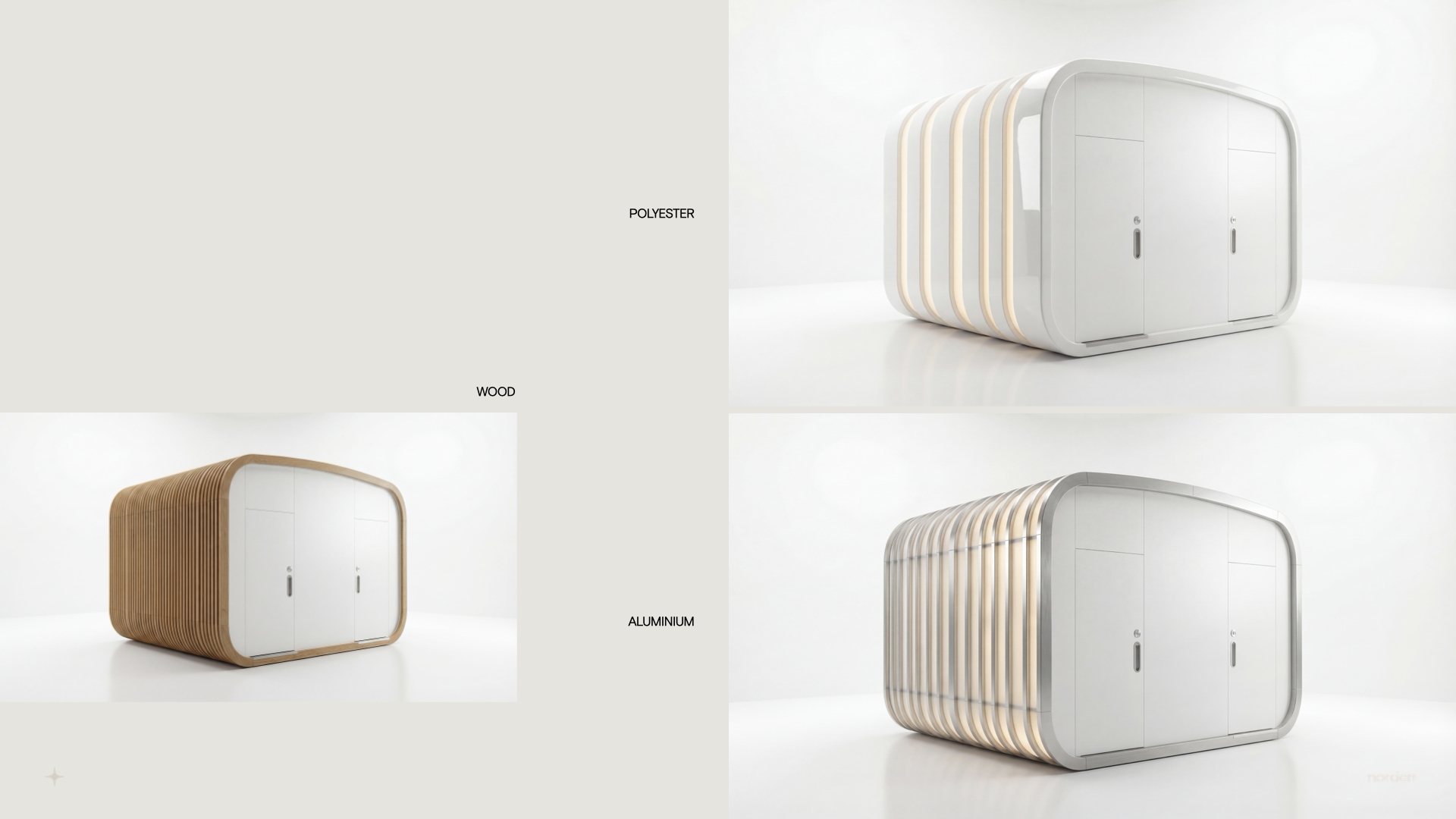
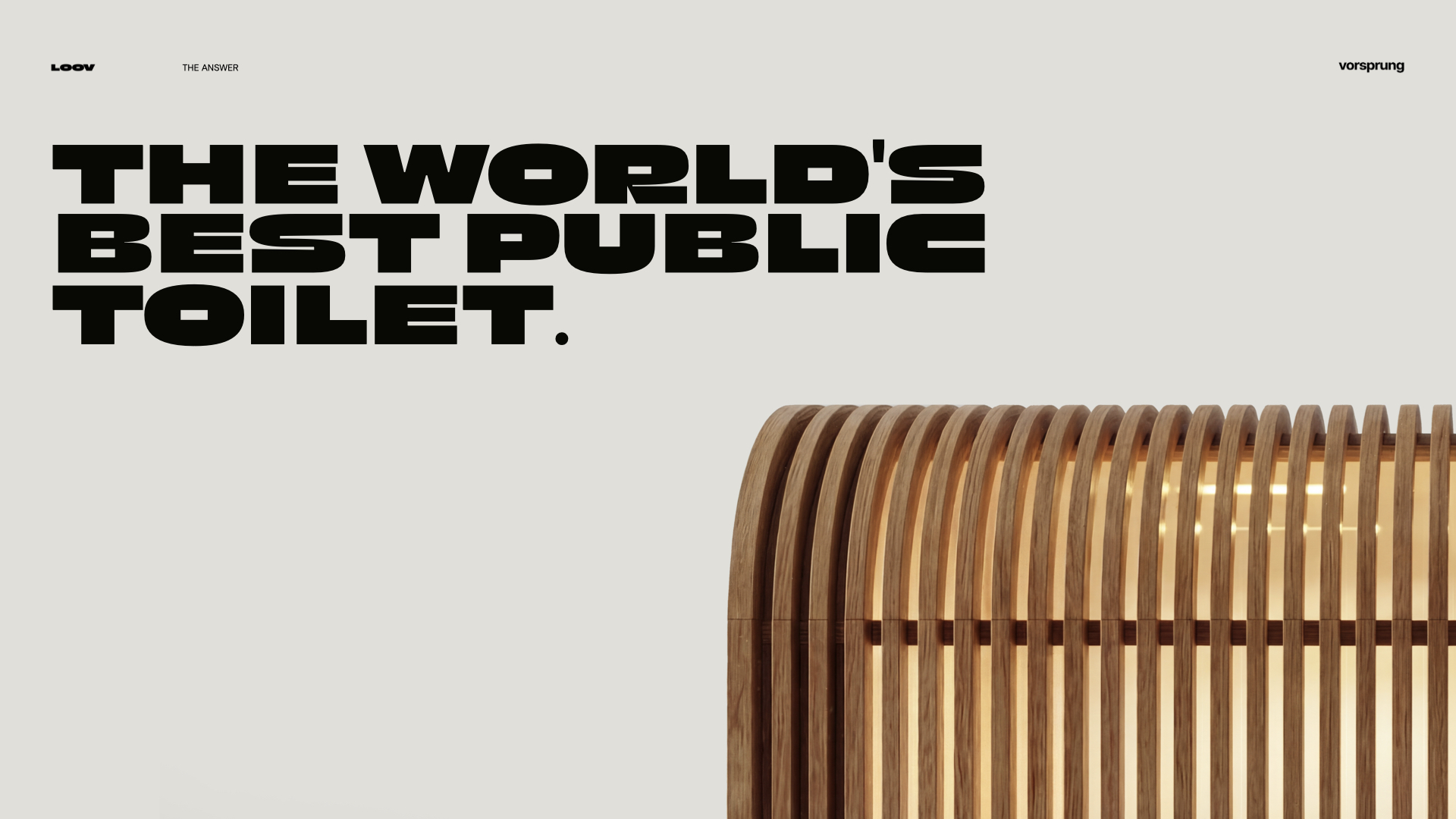
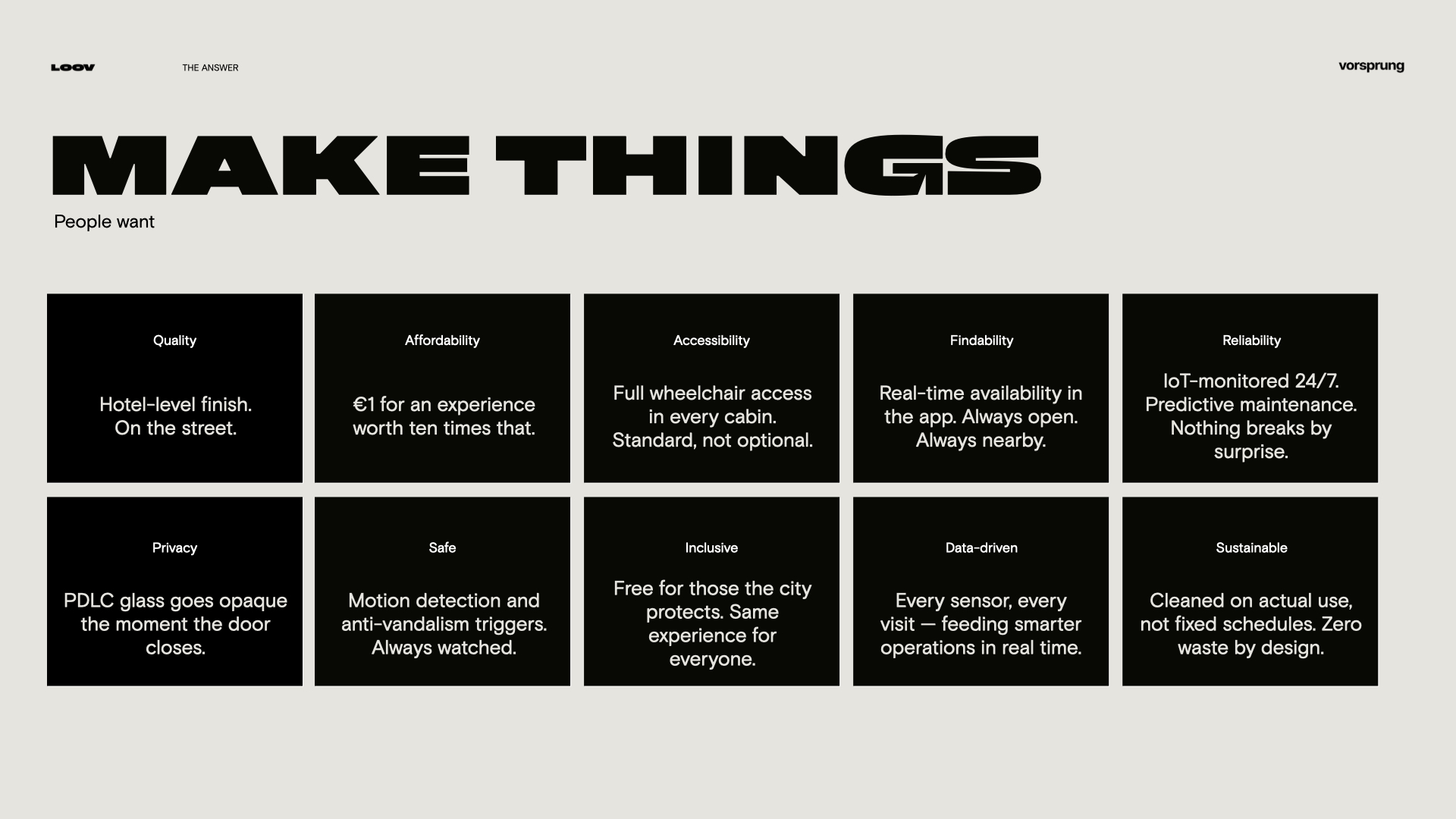
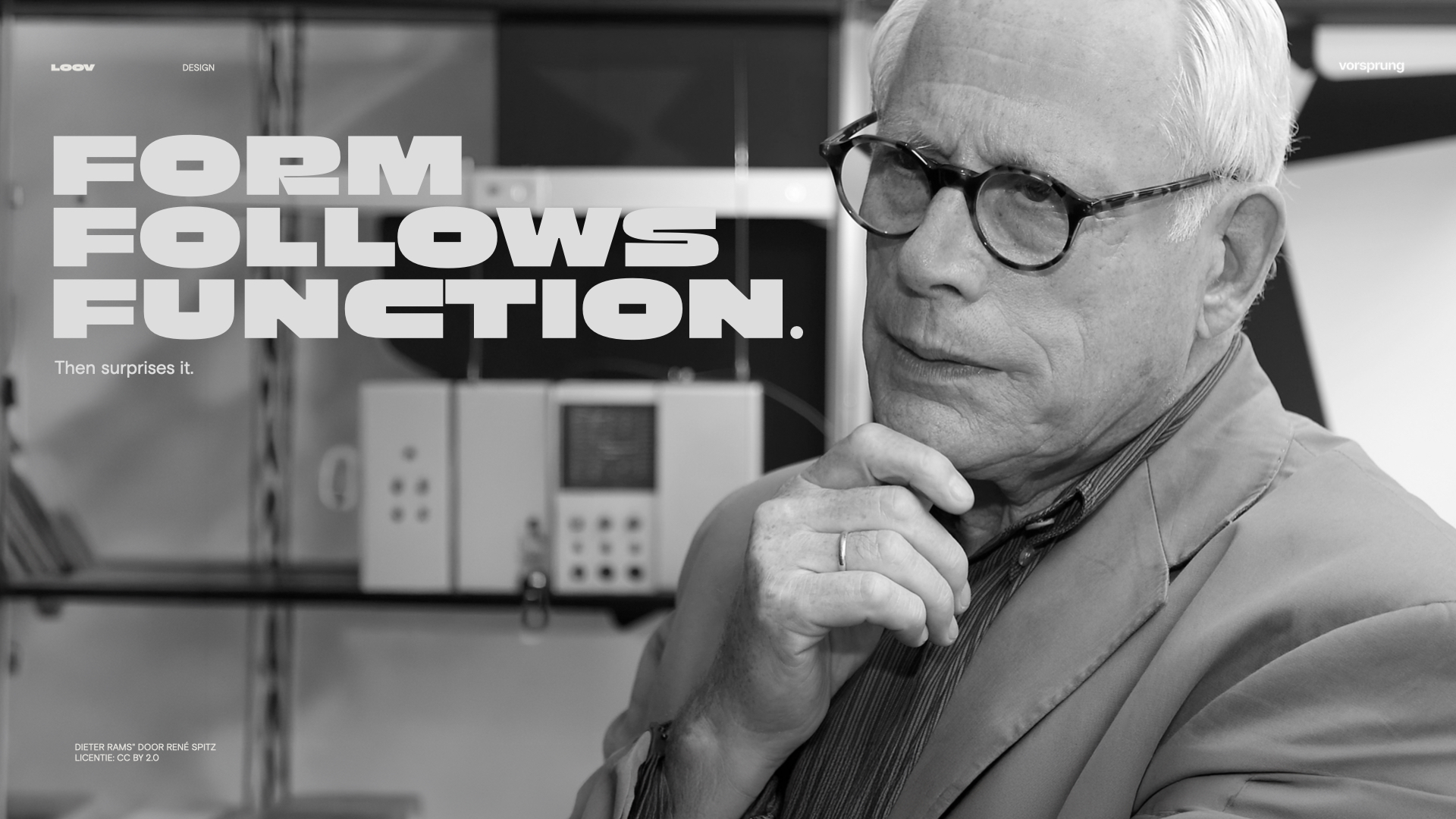
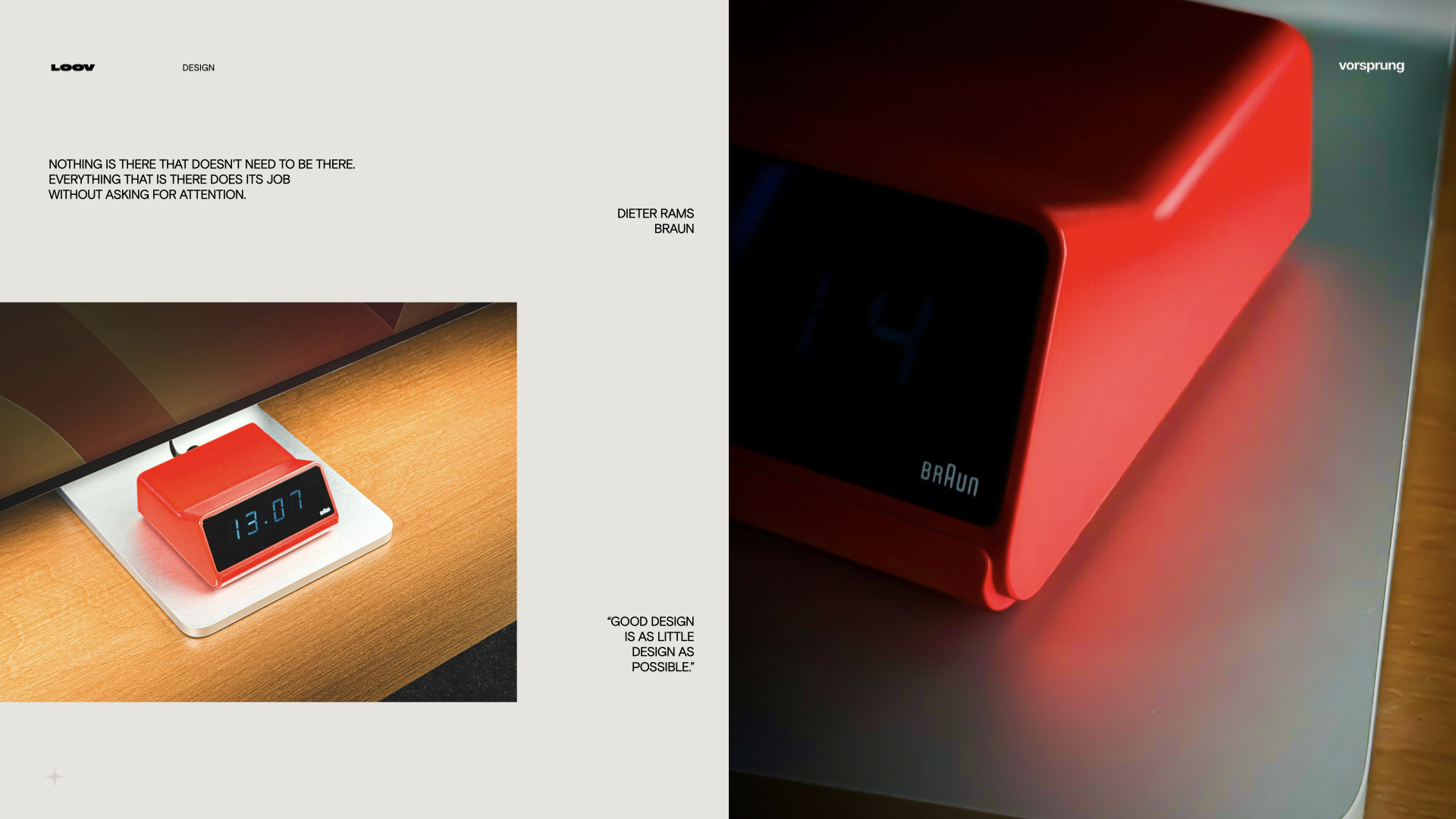
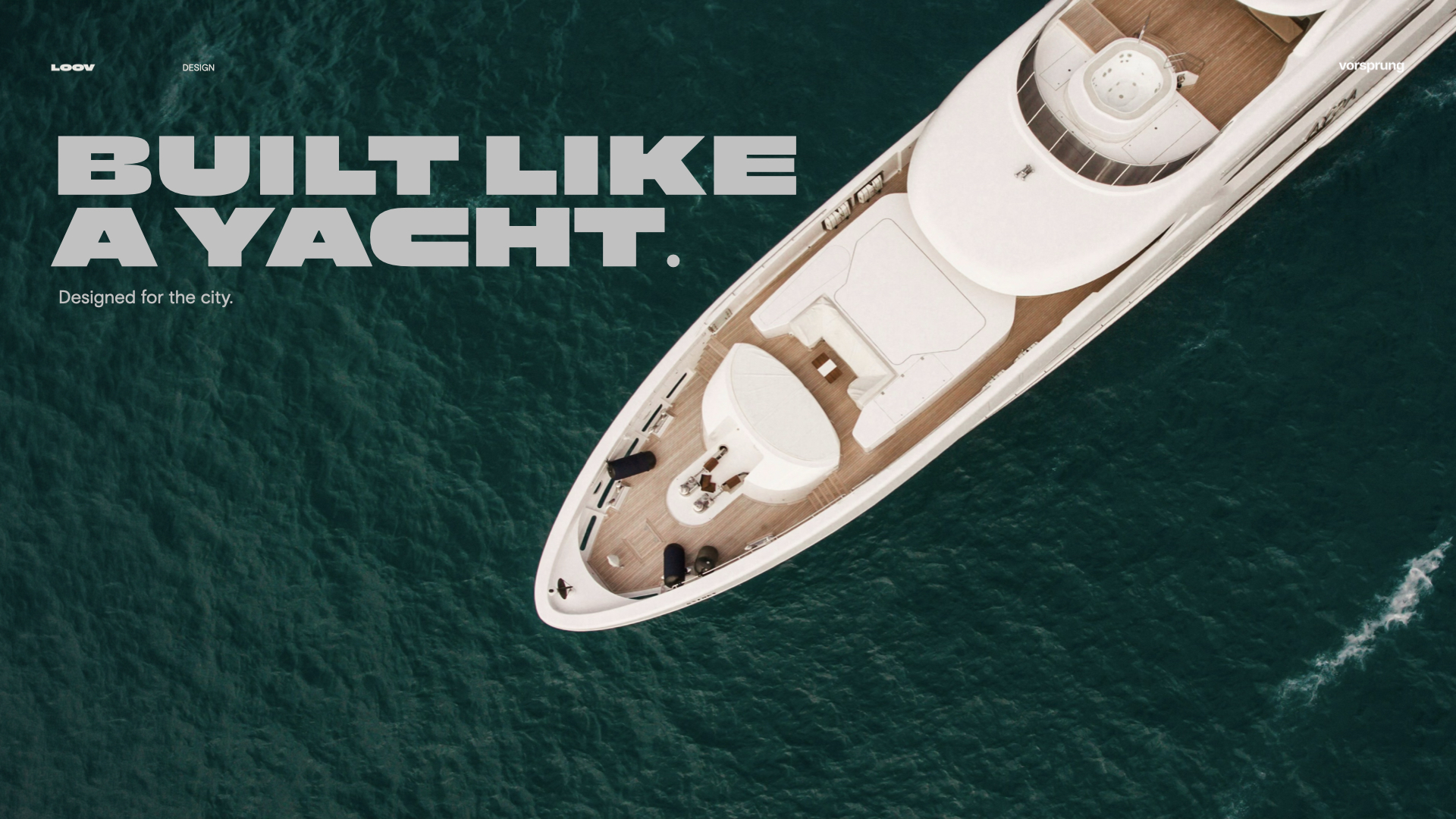
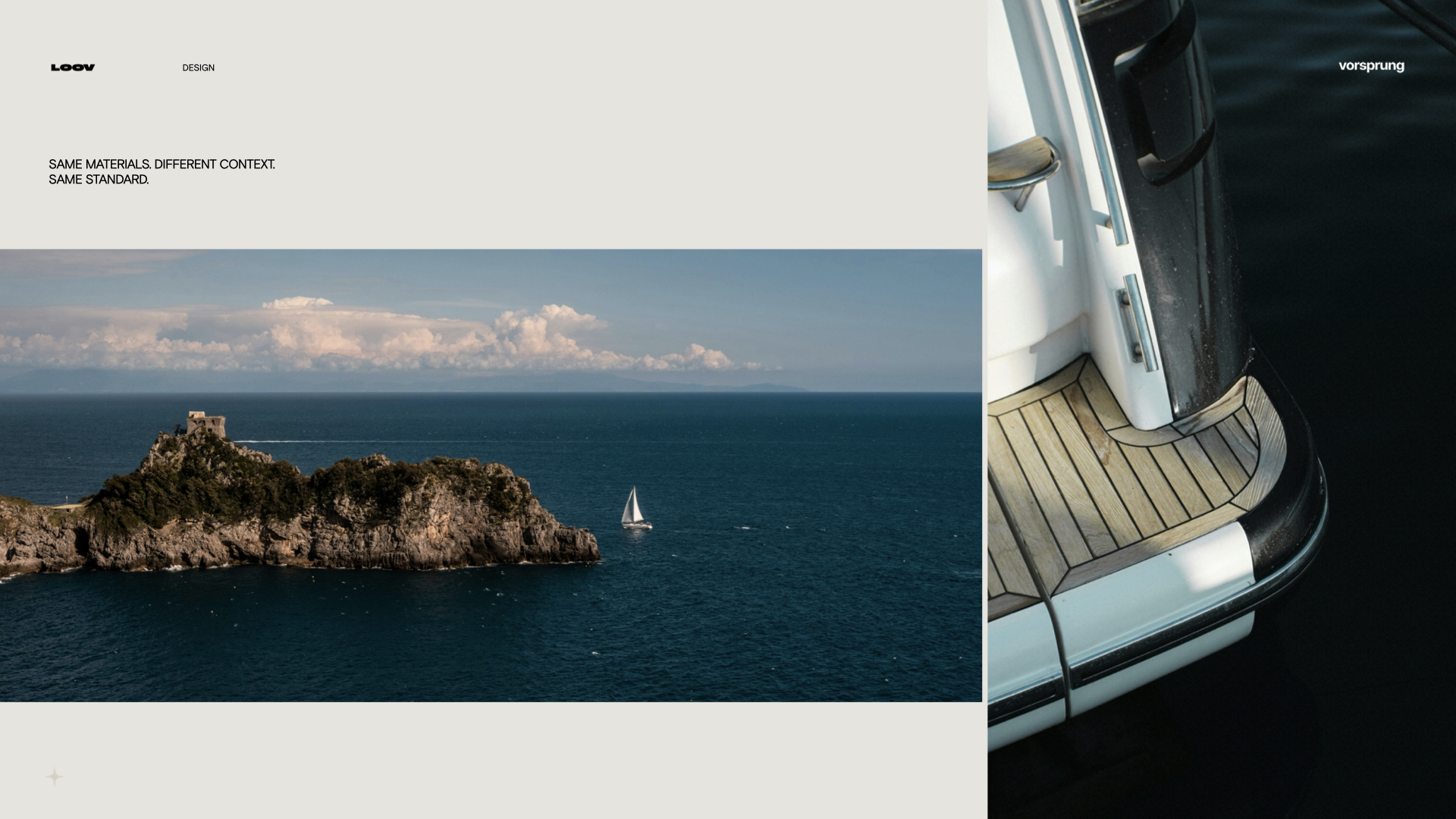
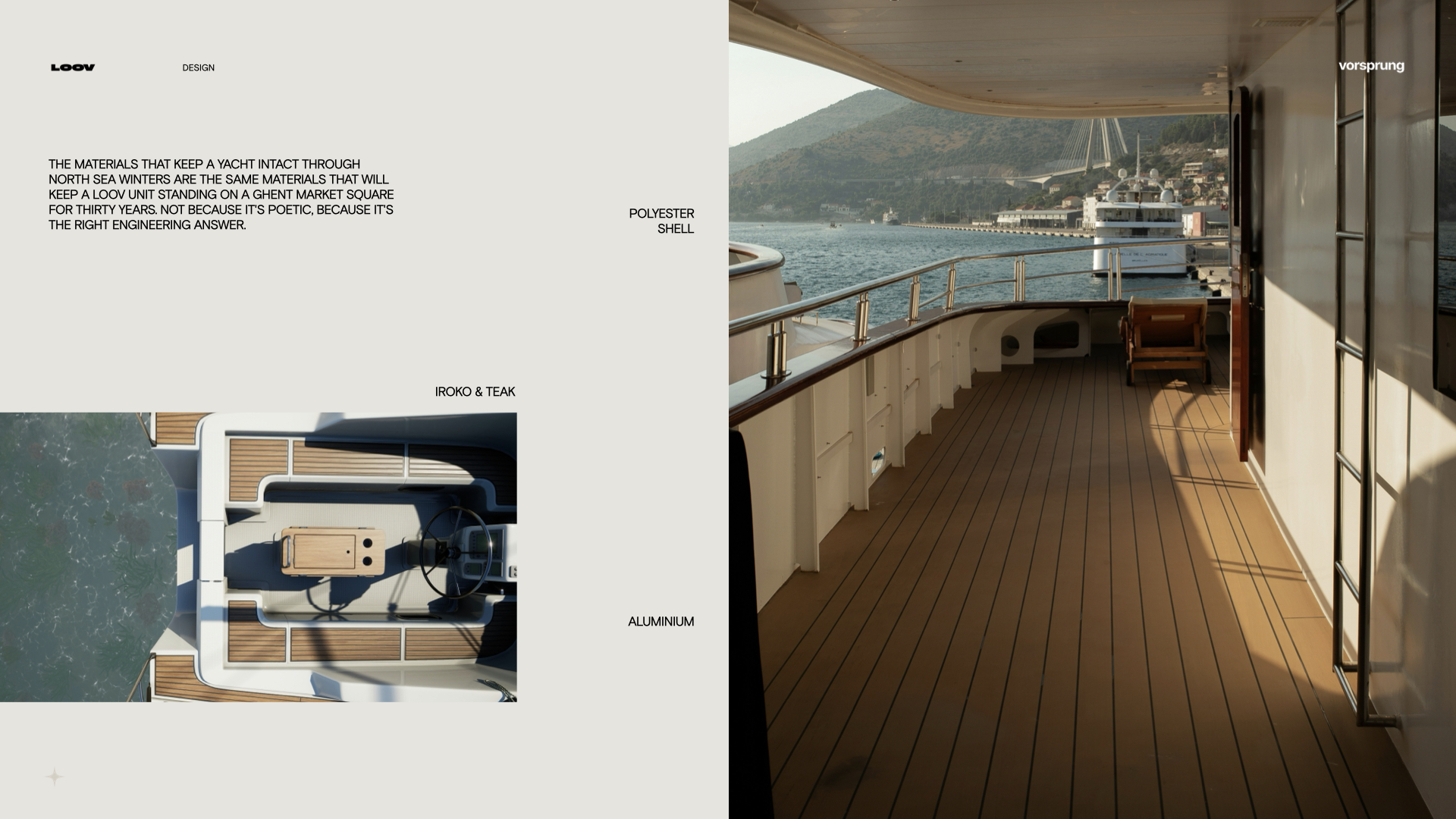
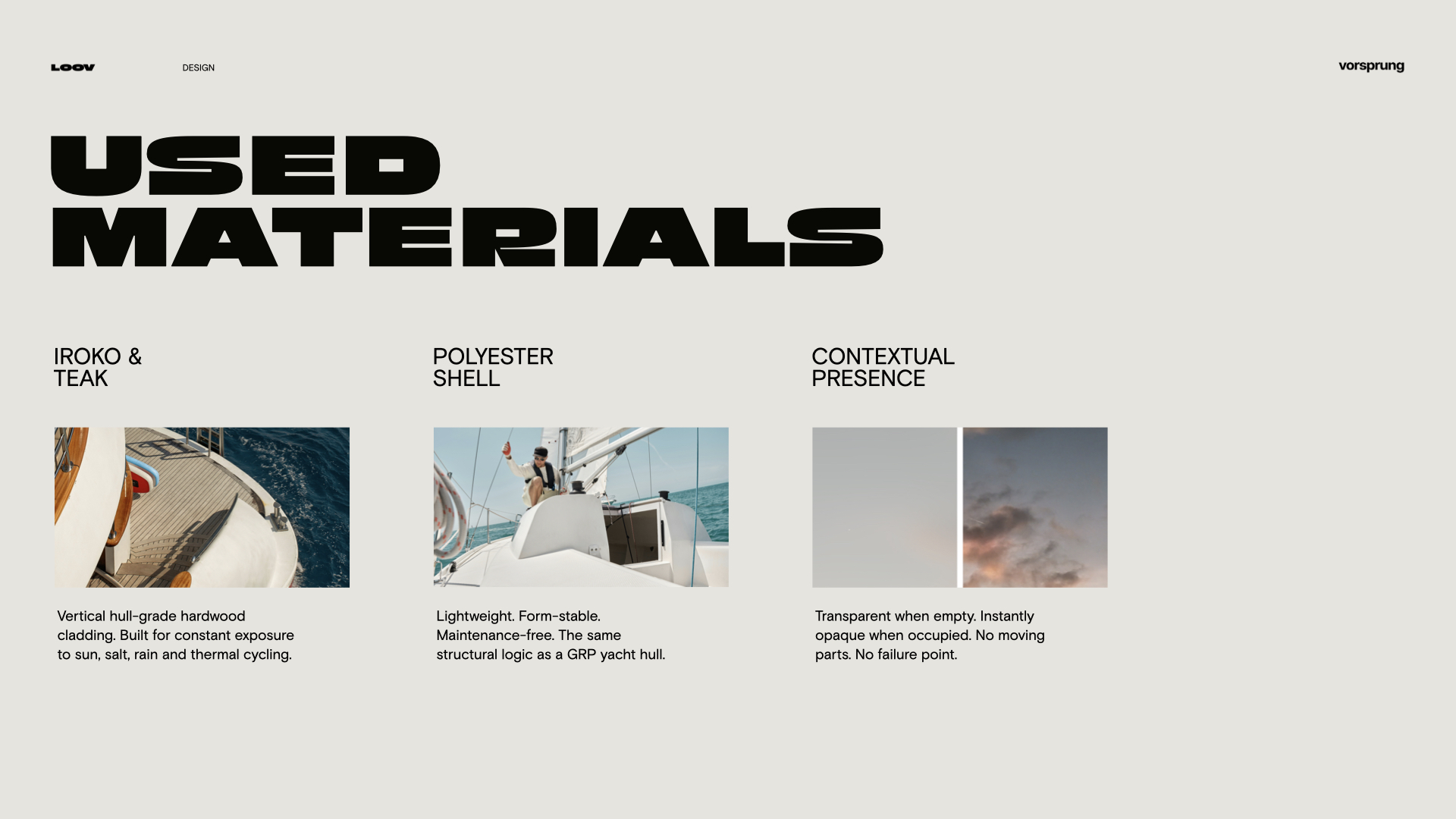
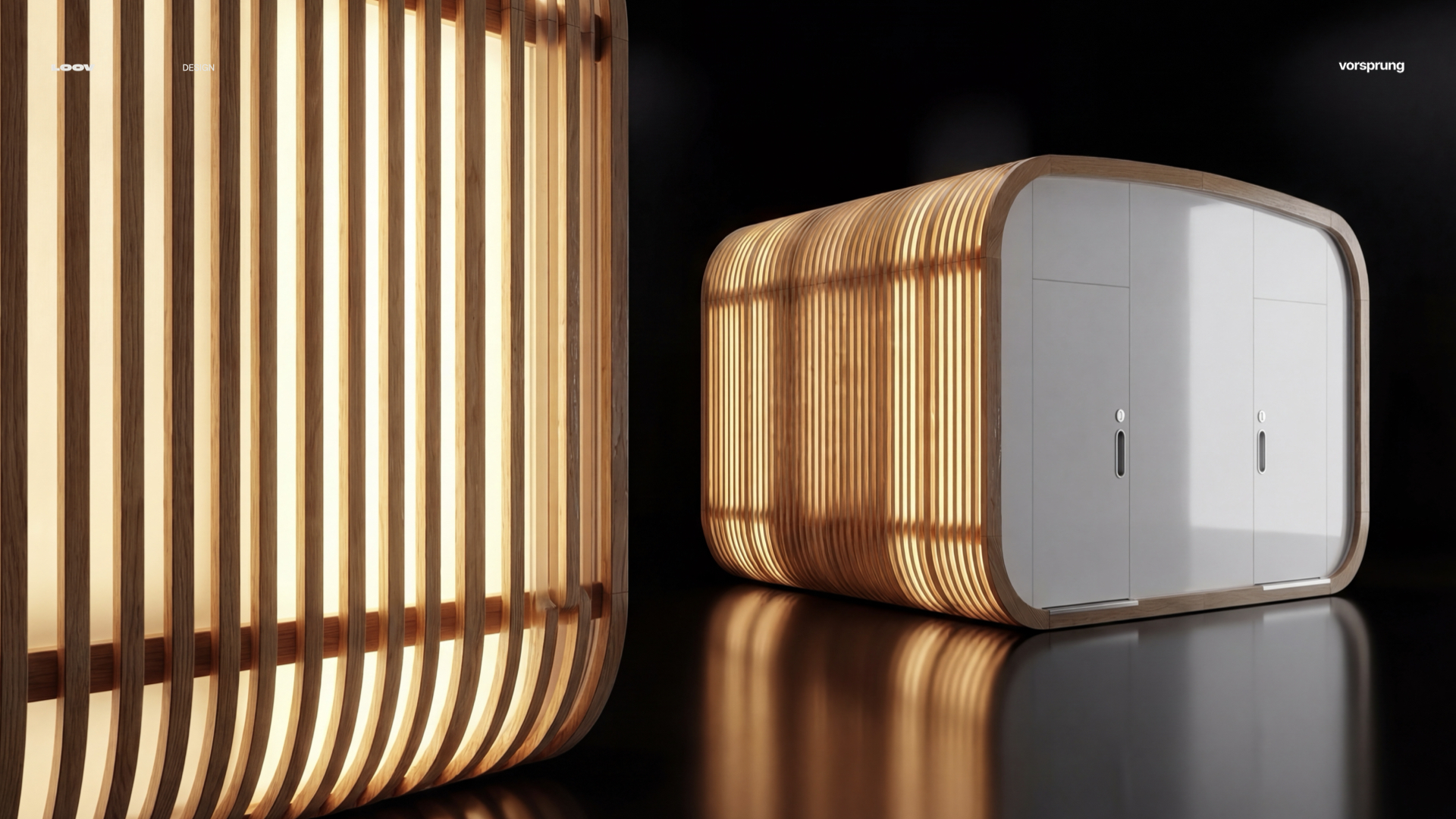
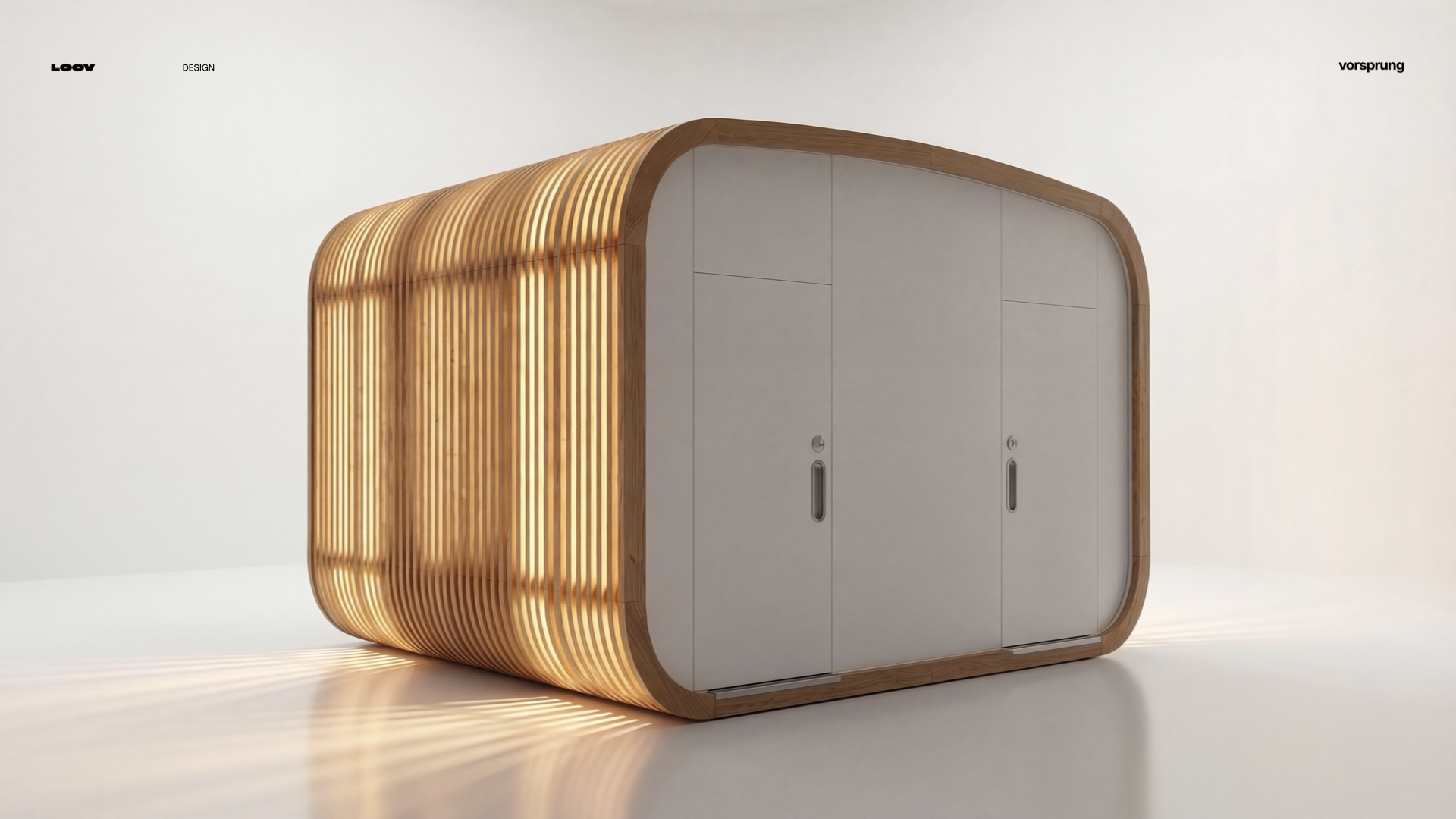
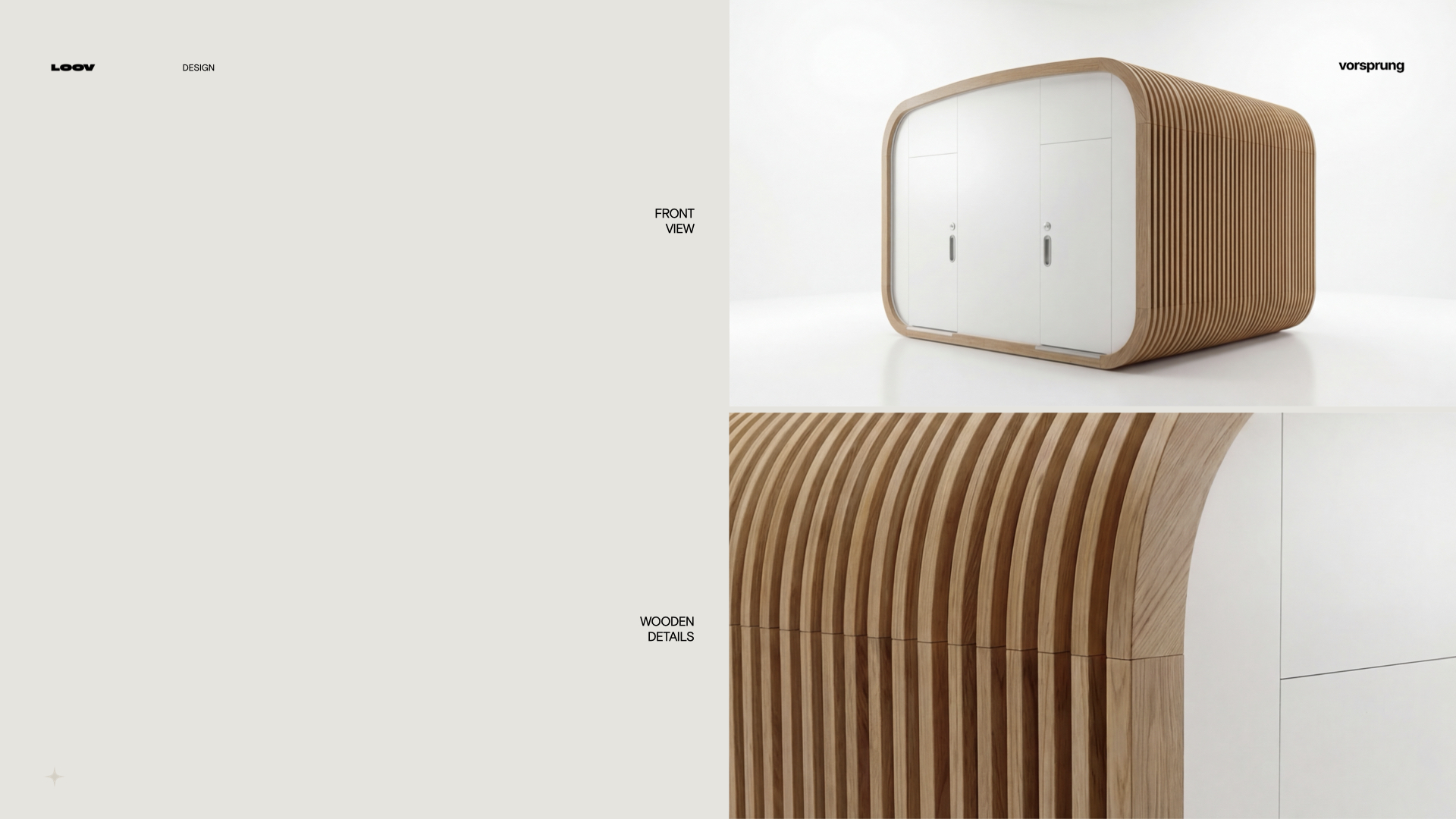
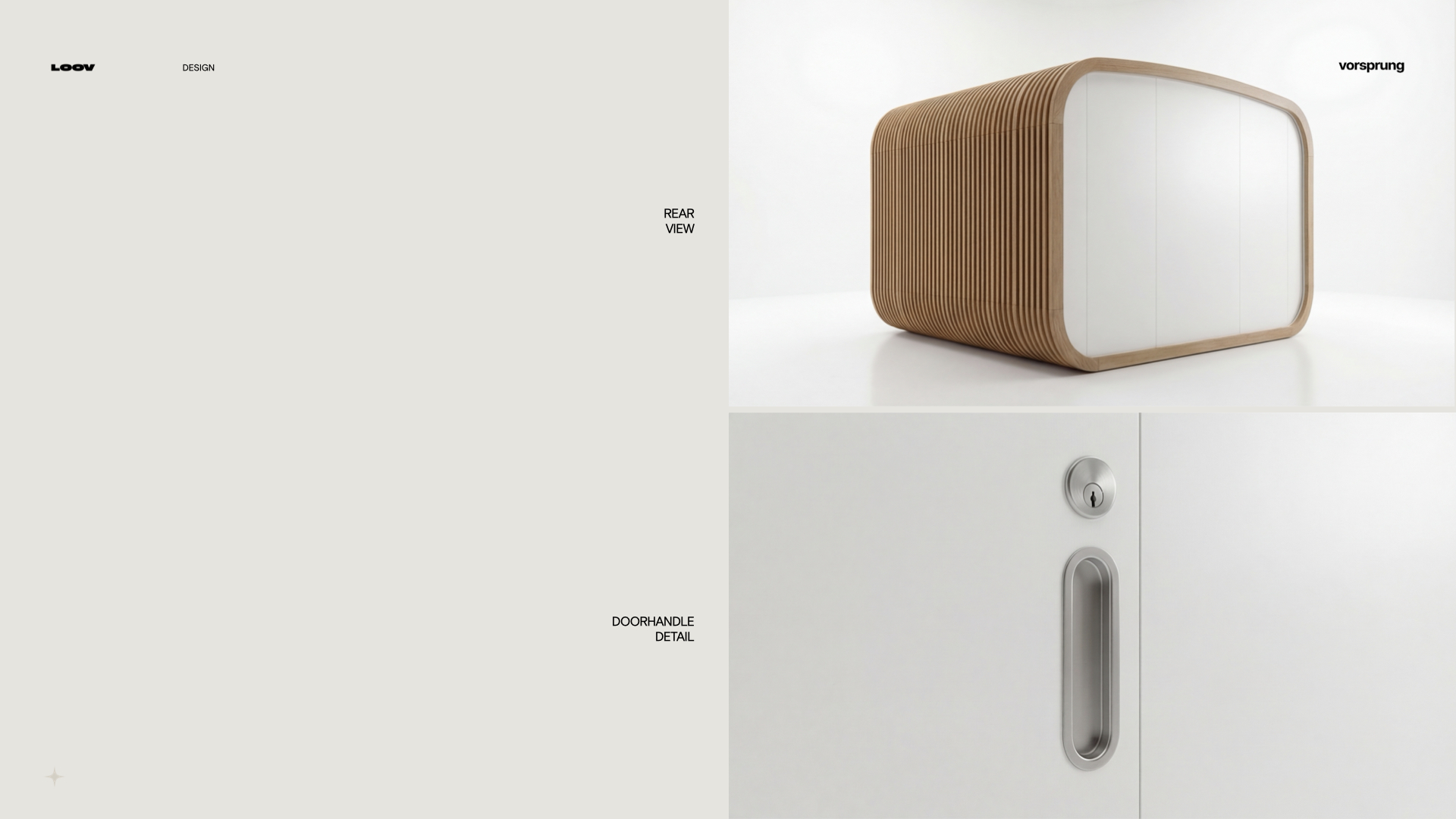
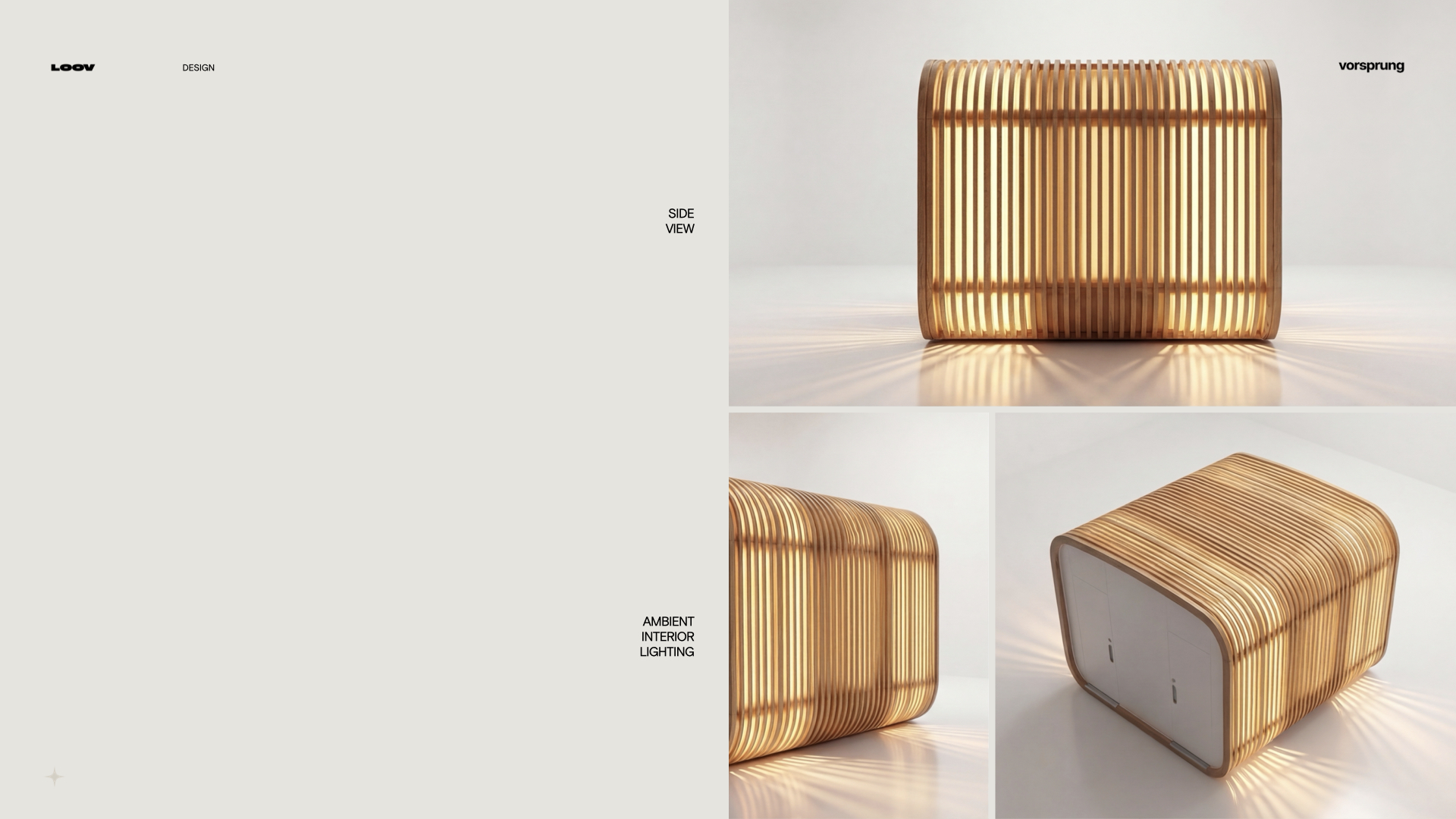
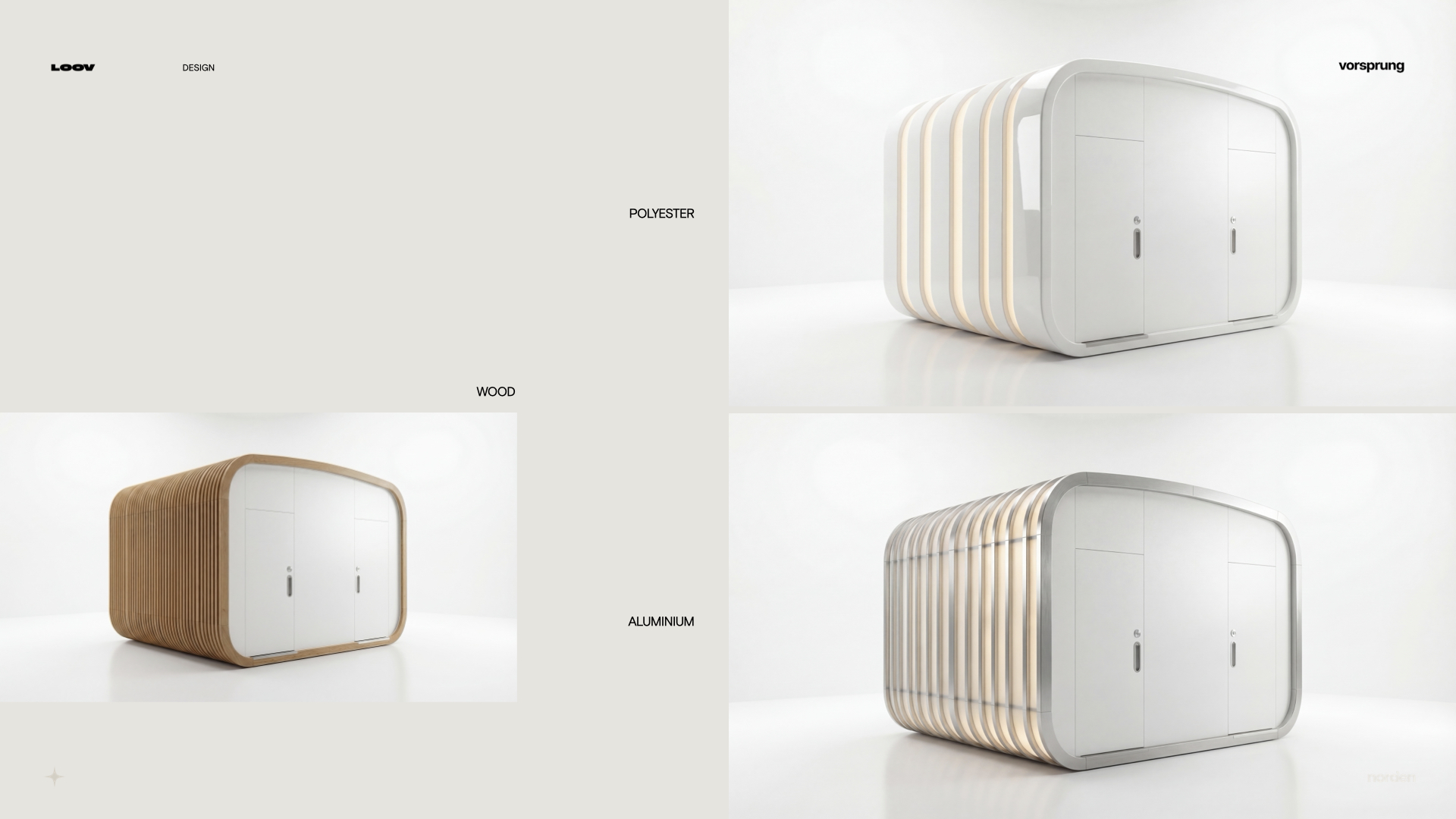
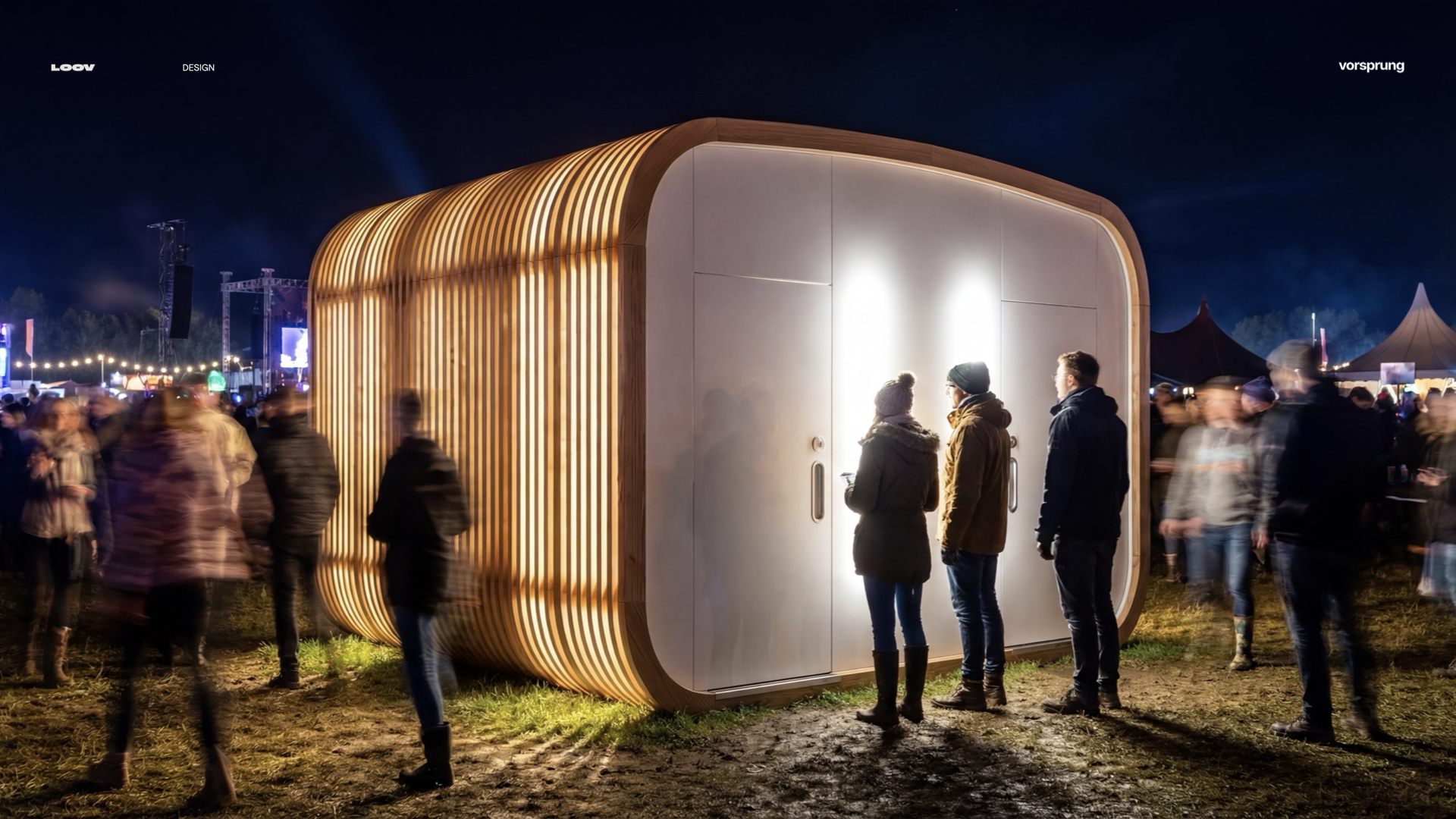
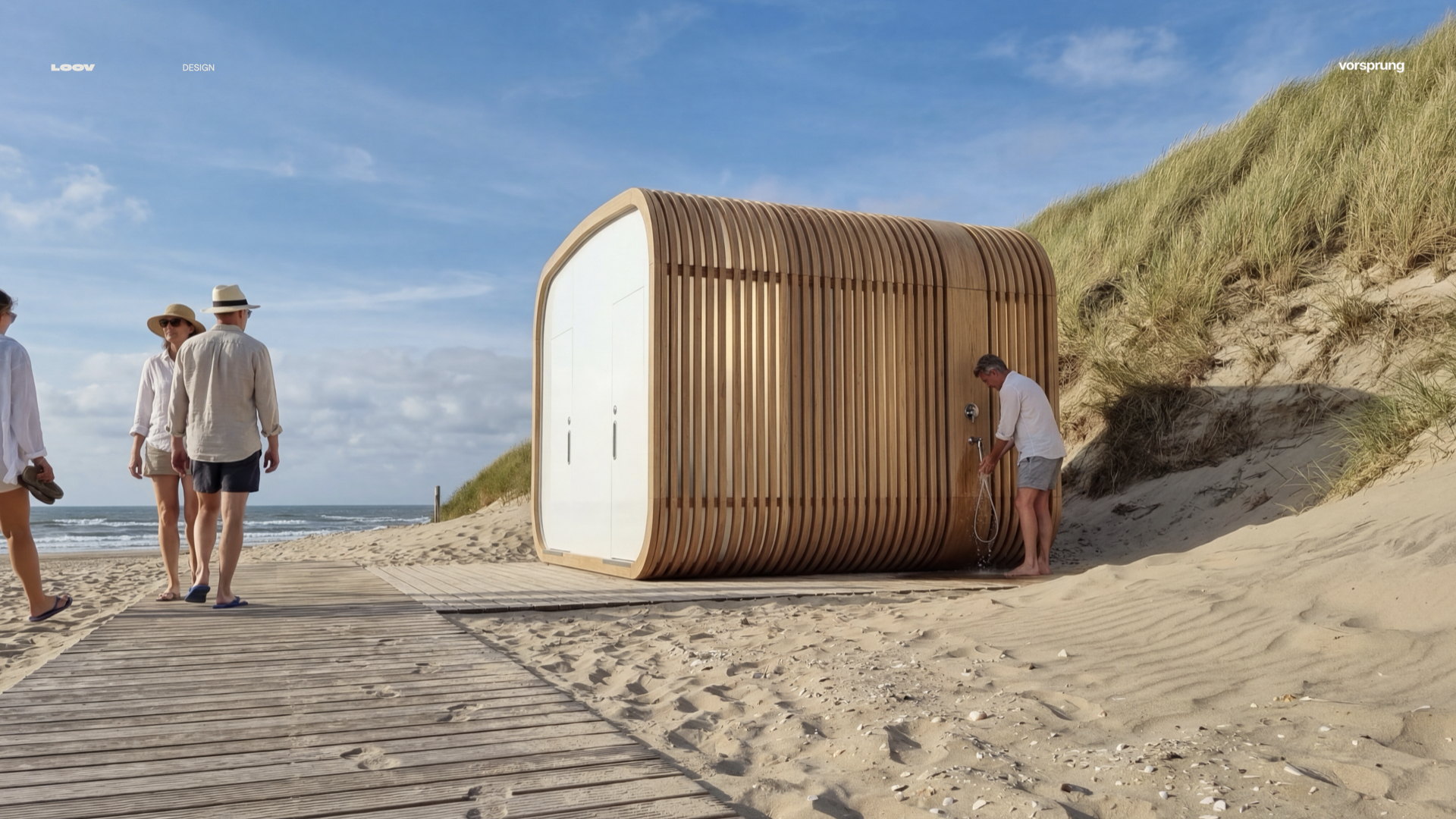
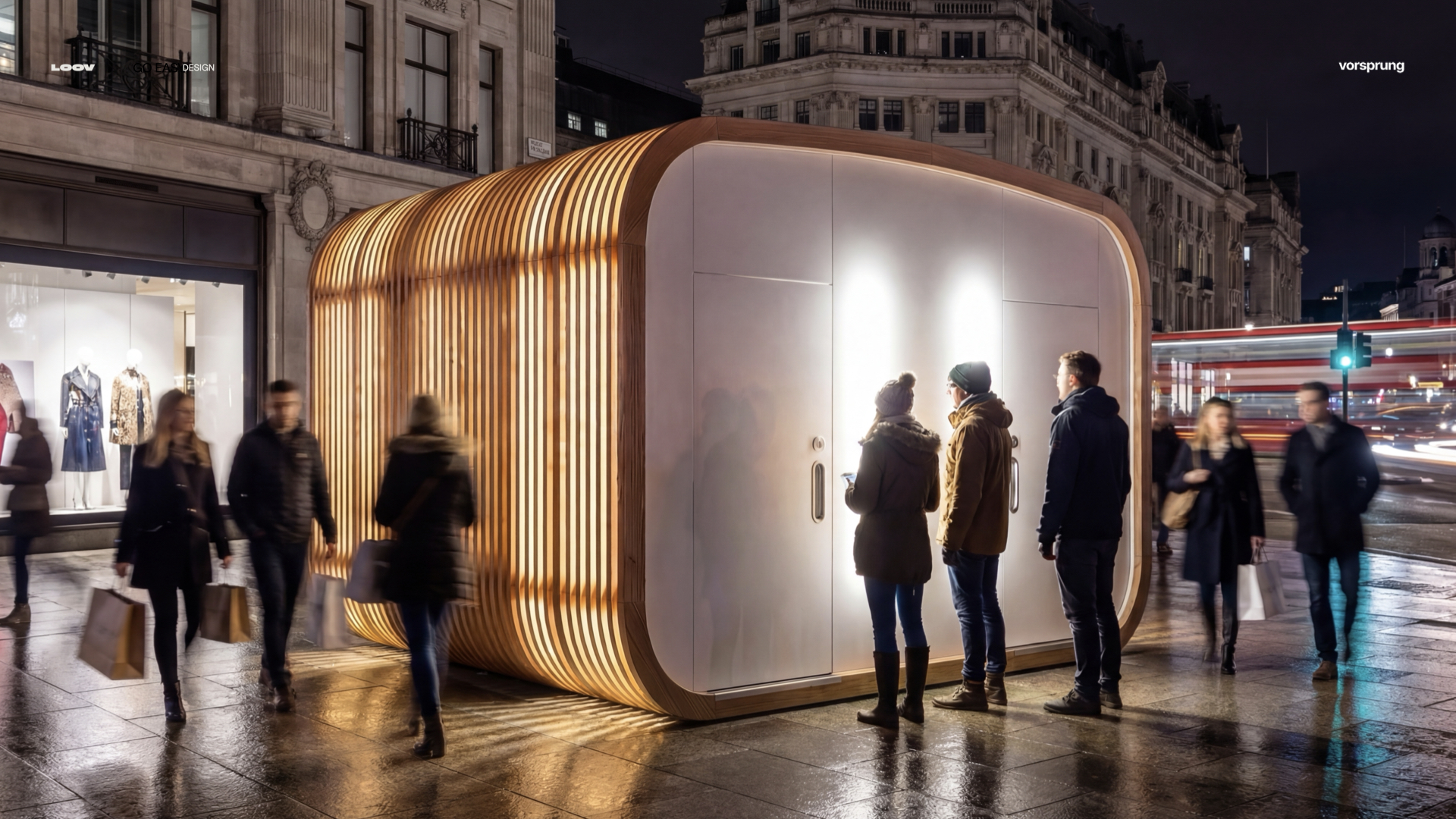
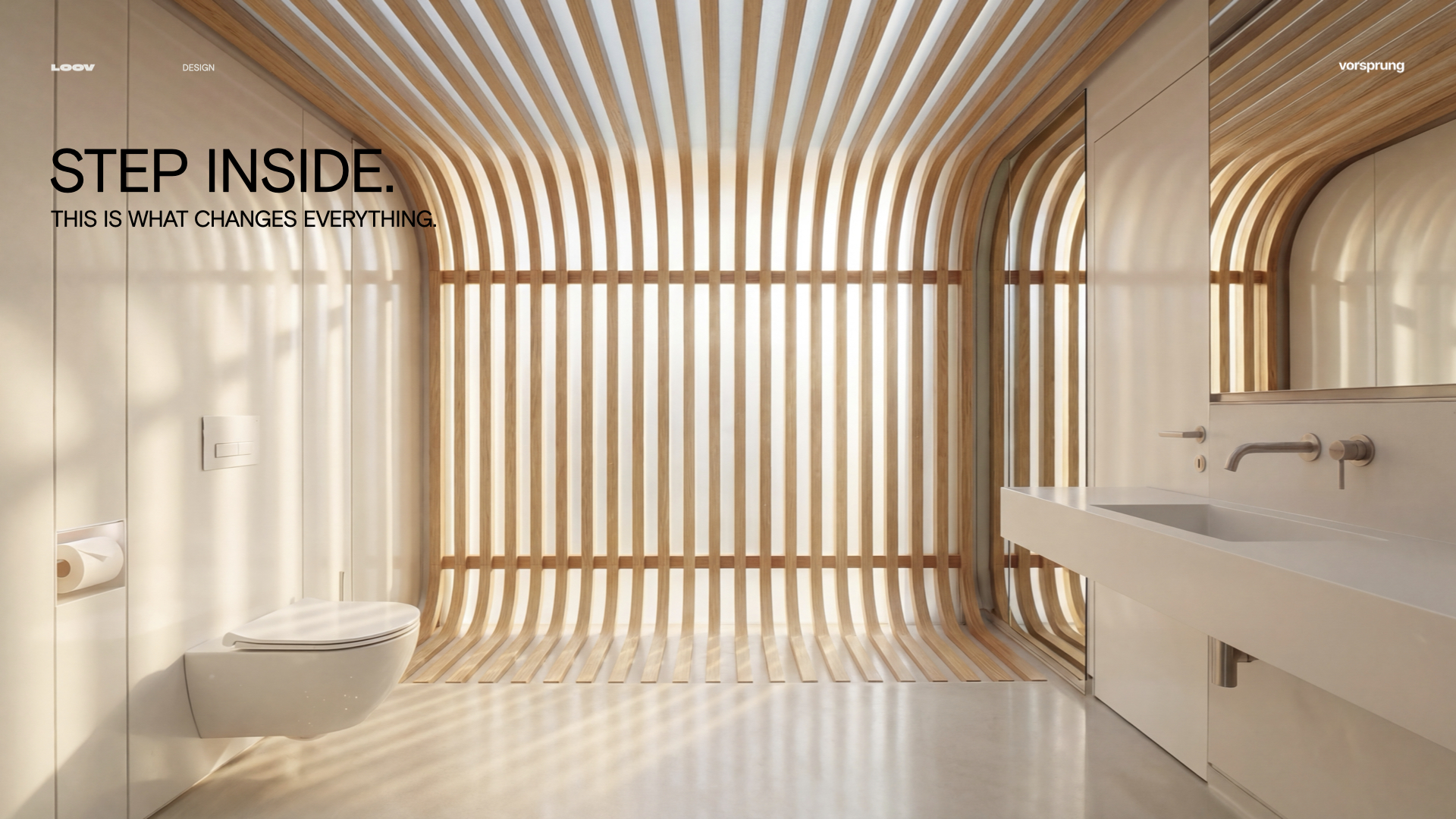
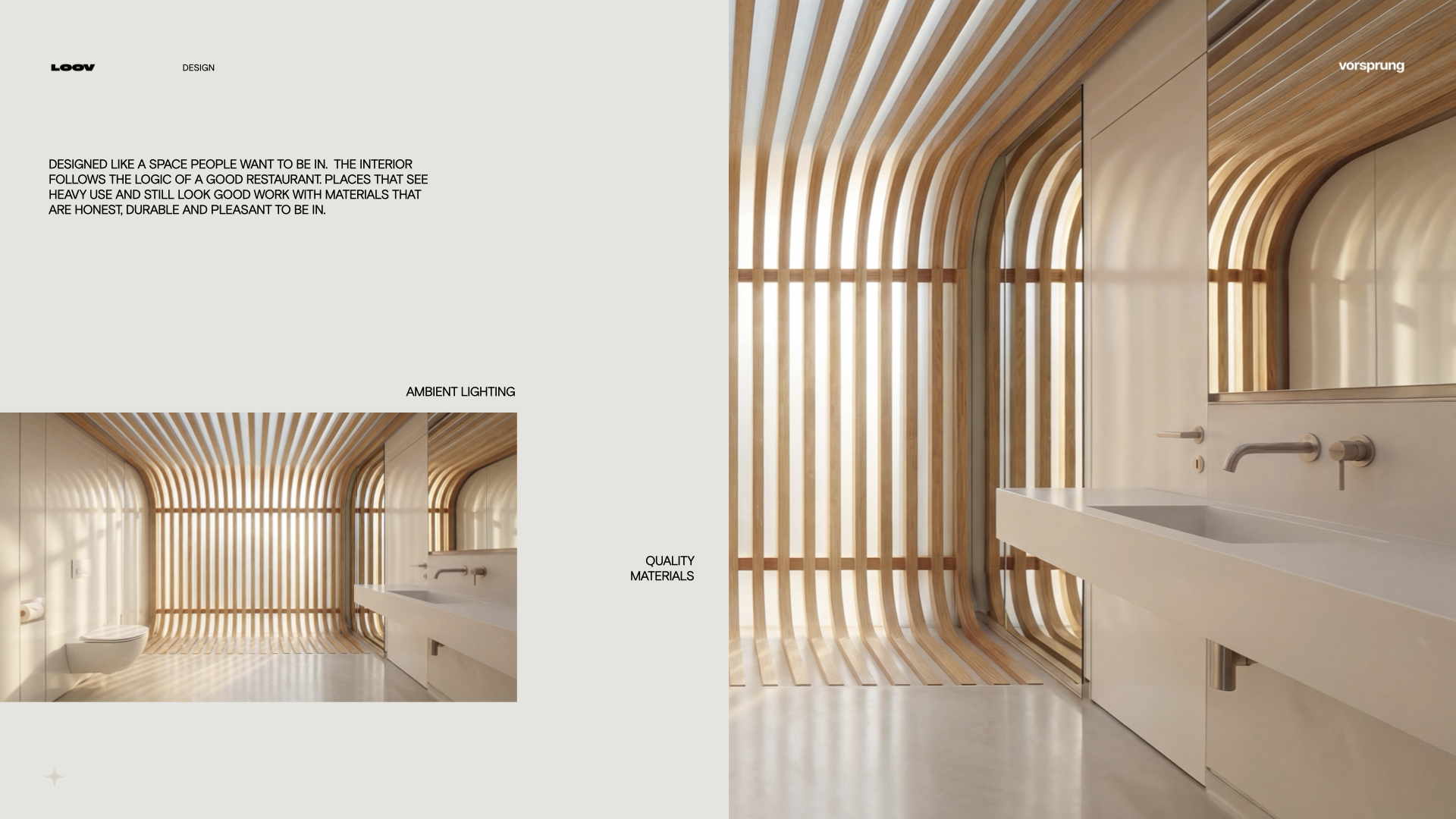
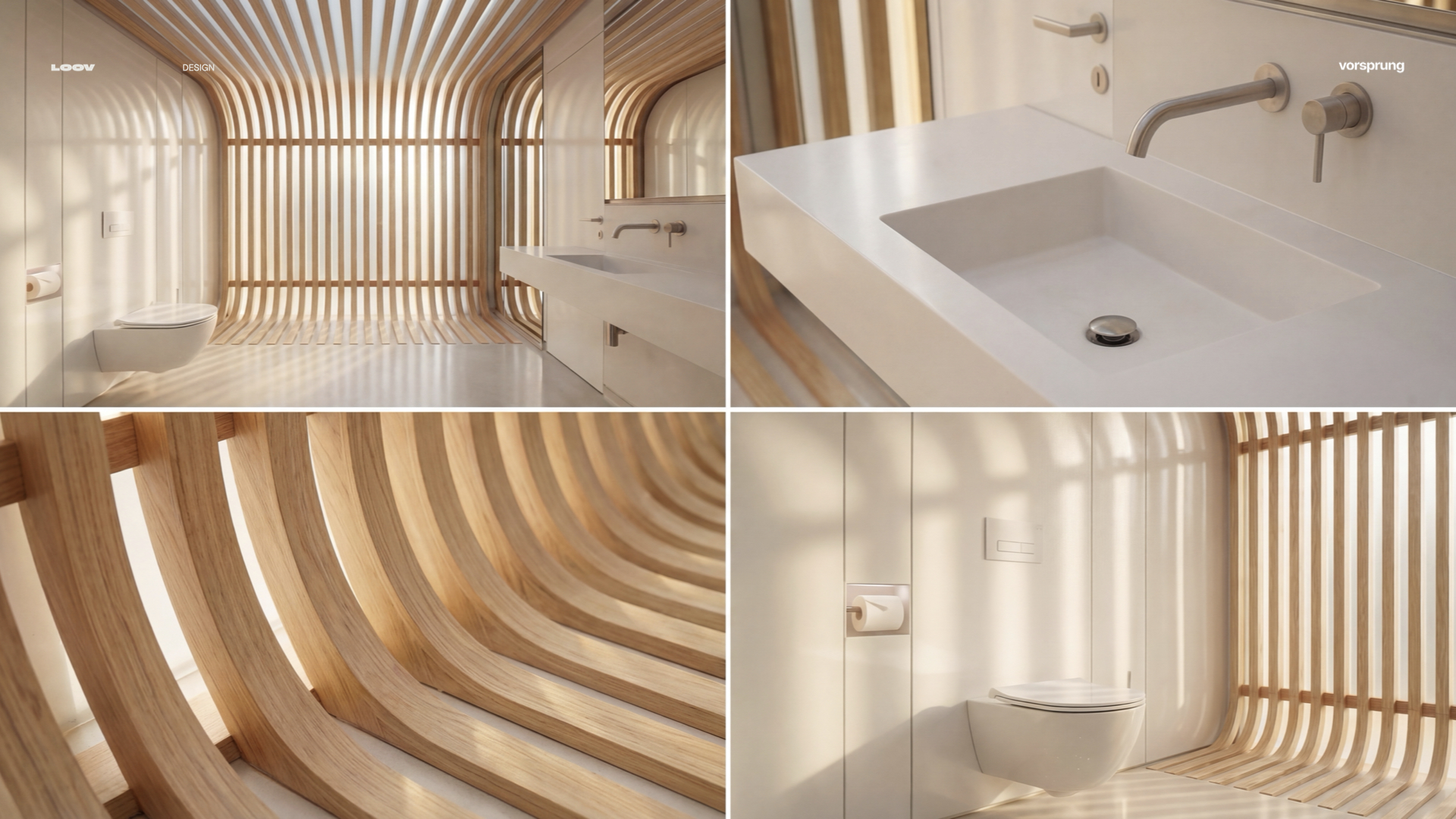
Because a public toilet isn't a cost. It's a location: two square metres where thousands of people stop every day. And the world's best one is designed the way you'd design a yacht. Iroko, teak, polyester, aluminium, the materials that survive a North Sea winter on a hull. Glass that turns opaque the moment someone steps in. Inside, the logic of a good restaurant: warm light, a heated floor, surfaces you can clean in thirty seconds that still look like someone cared.
The toilet
opens the door.
The business is the
platform behind it.
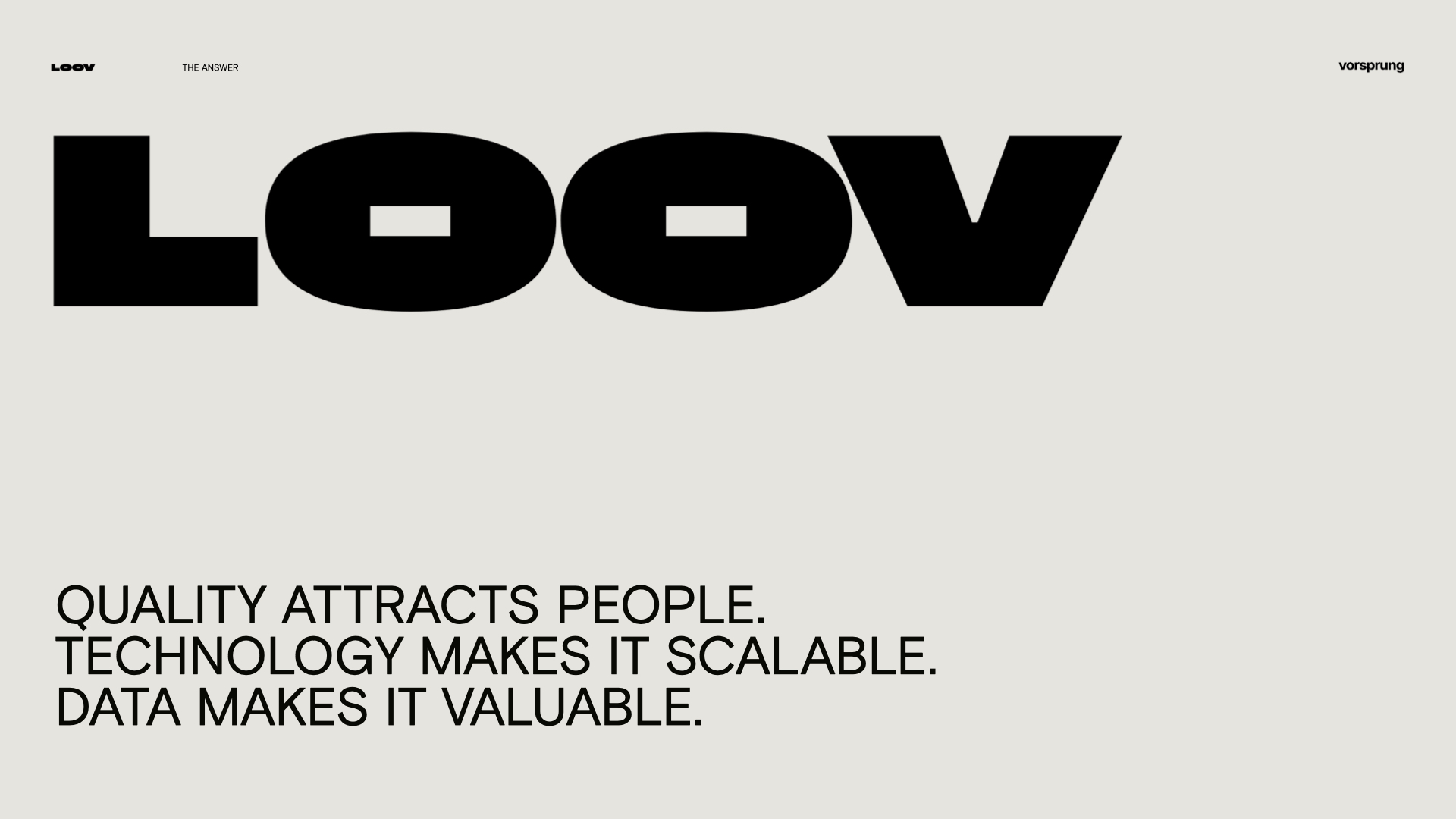
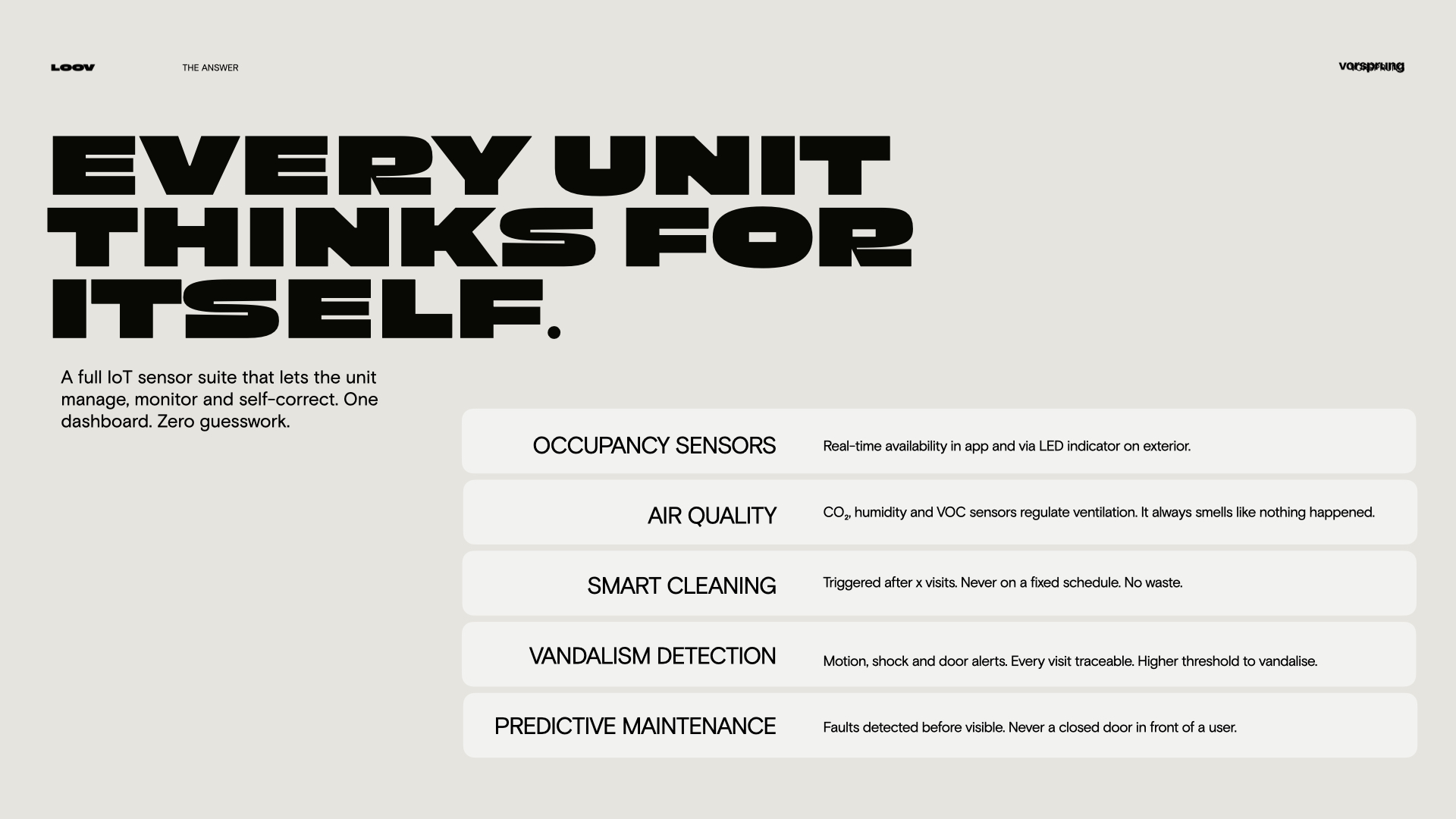
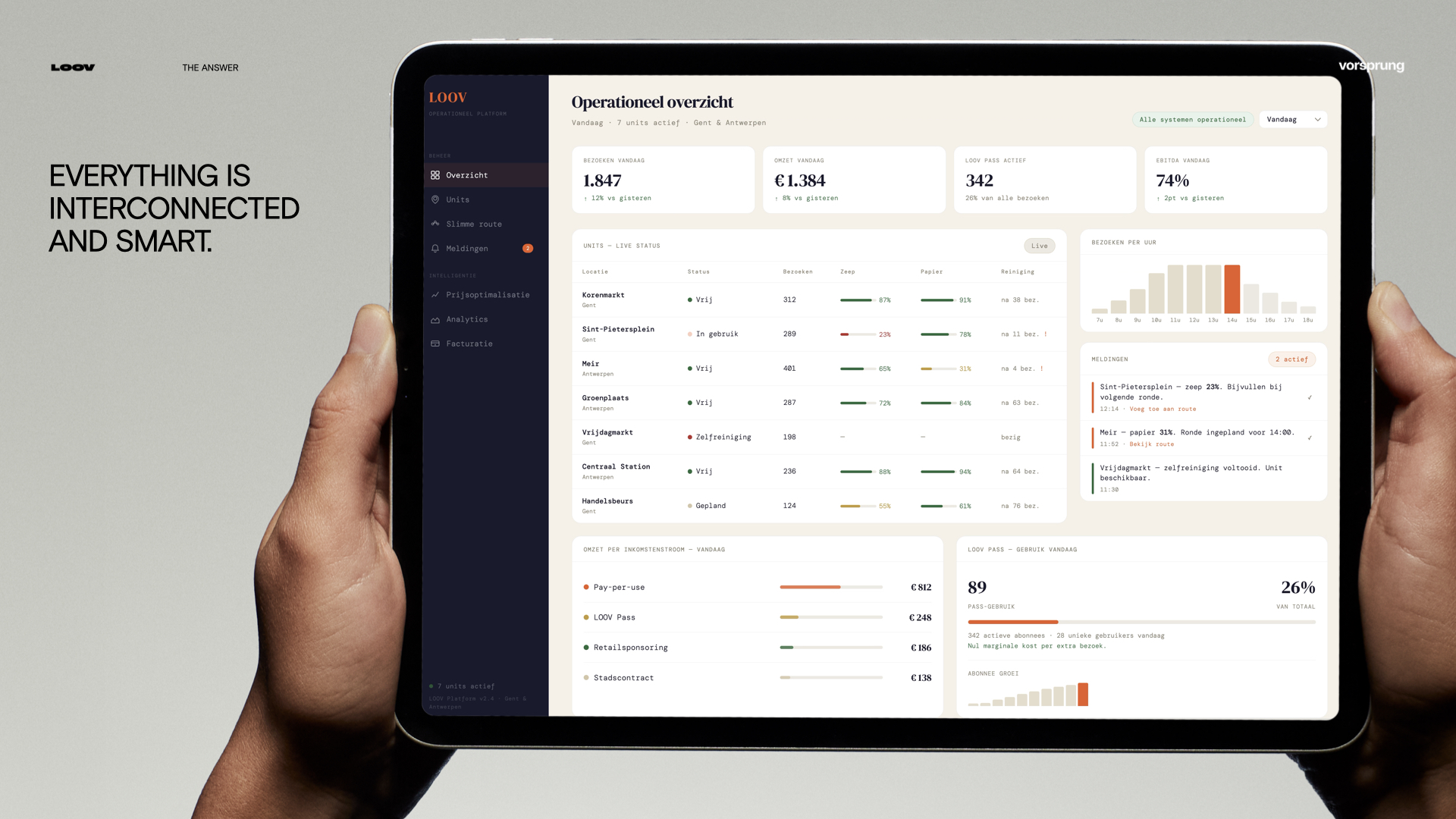
It reads demand by street and by hour and sets the price to match. It calls for cleaning when use asks for it, not when a calendar does. It spots a part failing before anyone meets a closed door. Every morning it hands the maintenance team their route. Six units a day, one part-time person, one screen. That's what turns a location from expensive into profitable.
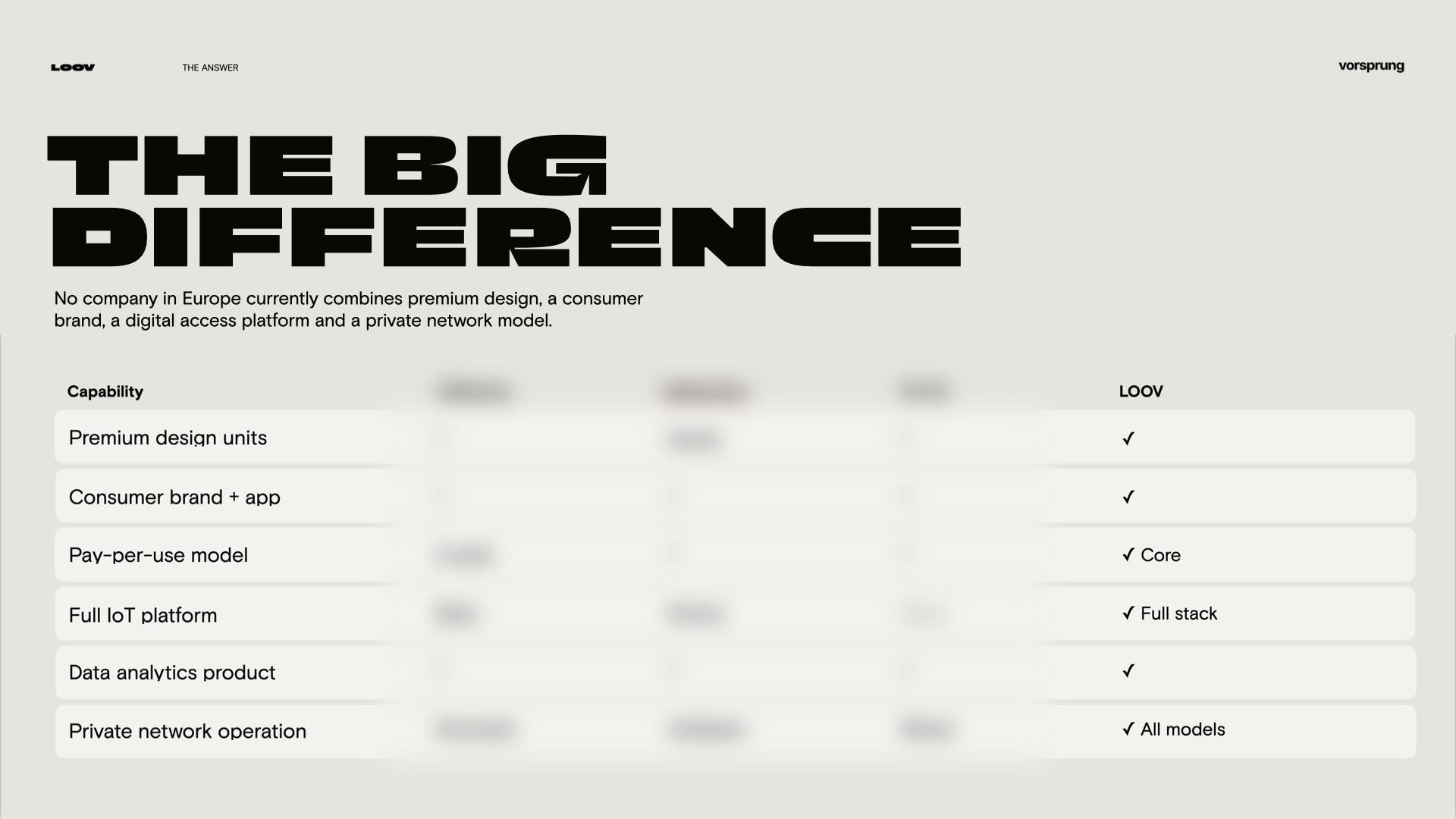
And a platform doesn't care who owns the floor. Because there aren't only too few toilets — the ones that exist may as well not. You can't find them, you don't know if they're open, and you have no idea what you'll walk into. Every other daily need in a city was solved by connecting what was already there. A room to sleep in. A ride across town. A car on the corner. Nobody built more of them. Someone made them easy to find and easy to pay for.
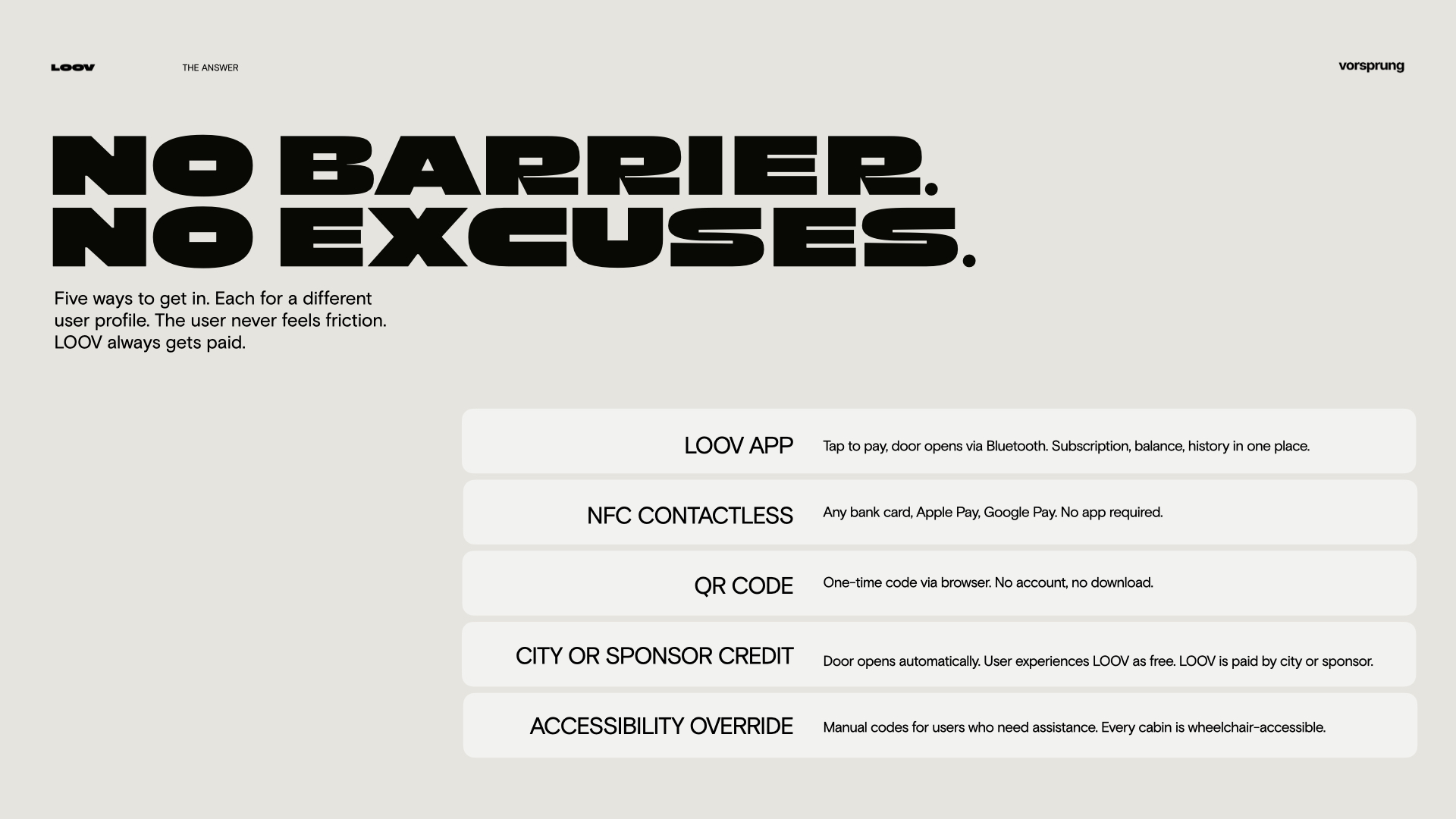
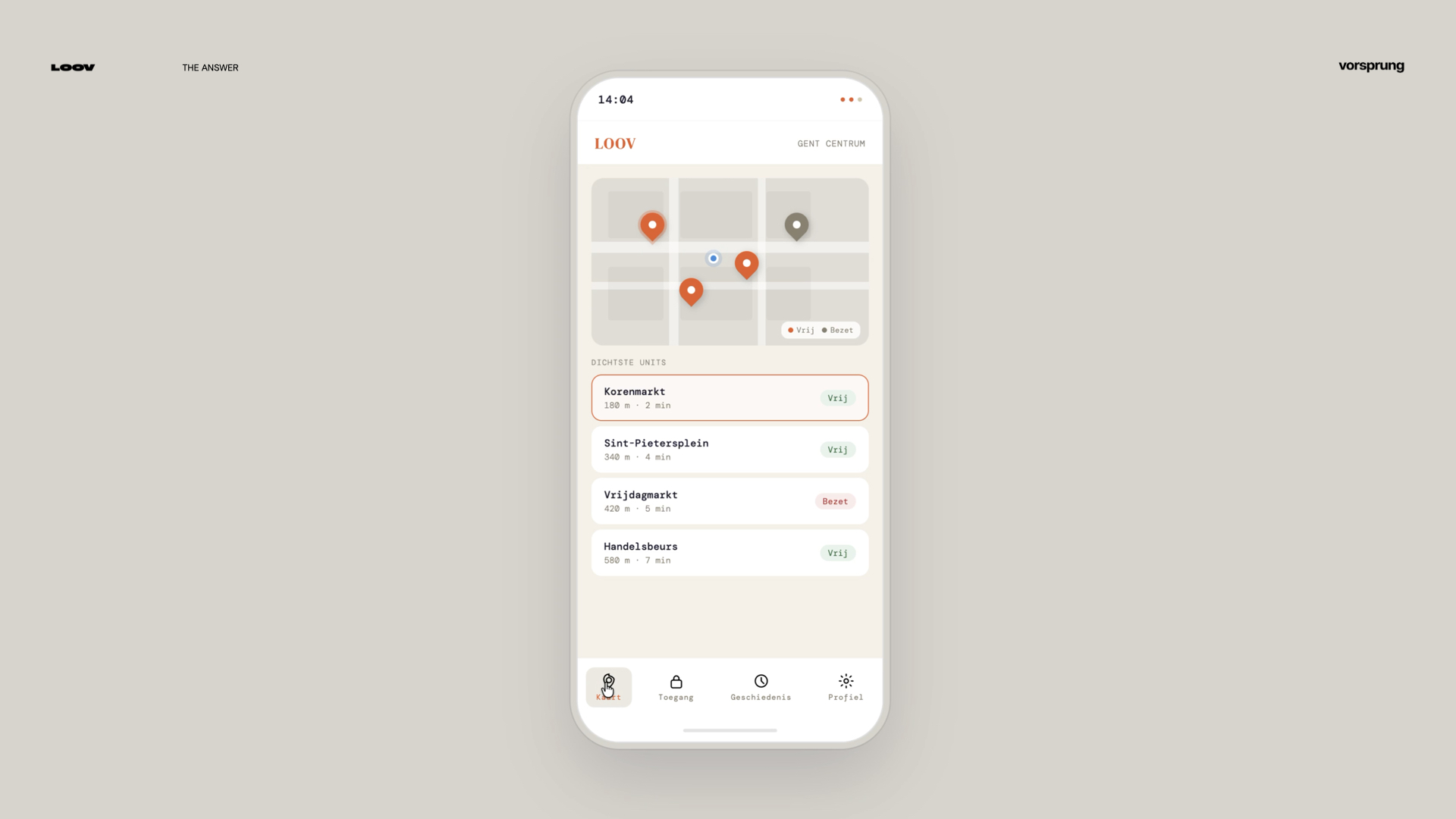
So every toilet in the city ends up on one app. The nearest one appears, in a station, a car park, a museum, a park, or a LOOV on the street. You see if it's open, what it costs, how clean it was an hour ago. You walk in. One tap, one account, one standard. The toilet is the product. The platform is the business. The demand is permanent, the market is global, and nobody owns it yet.


Blueprint
Before anything is built, I design the venture as a whole. What people need, what we make for them, how it works, why they choose it and how it becomes a business. Product, experience, brand and business, designed together. Real enough to test, fund and start building. Here’s a preview of the Loov Blueprint. Want to see the full blueprint? Get in touch.
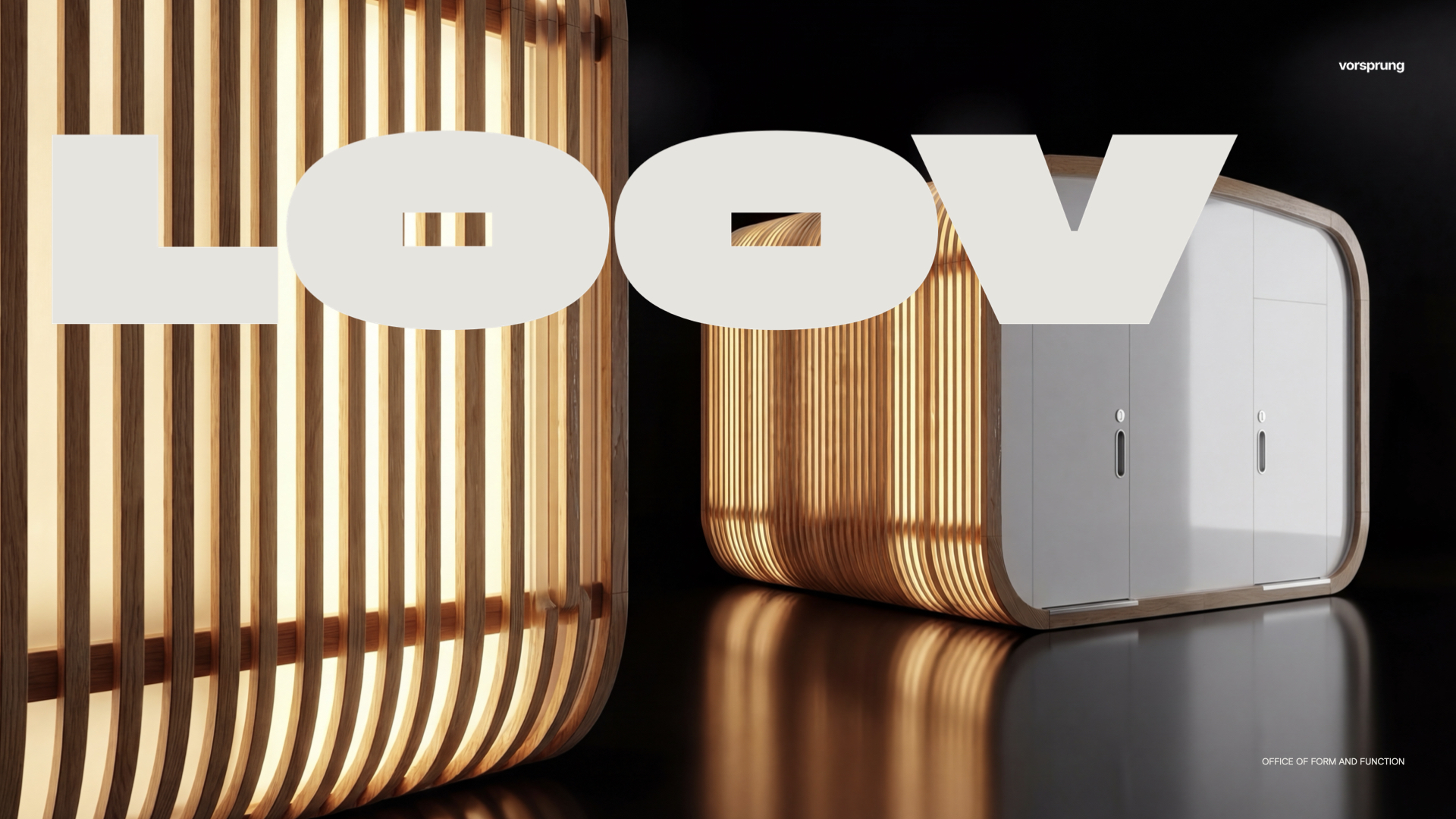

The full concept, research and business case are available on request. Interested? Let's talk.
Copyright 2026 © Vorsprung
vorsprung